


4_The Identity Potluck with Samah Dada
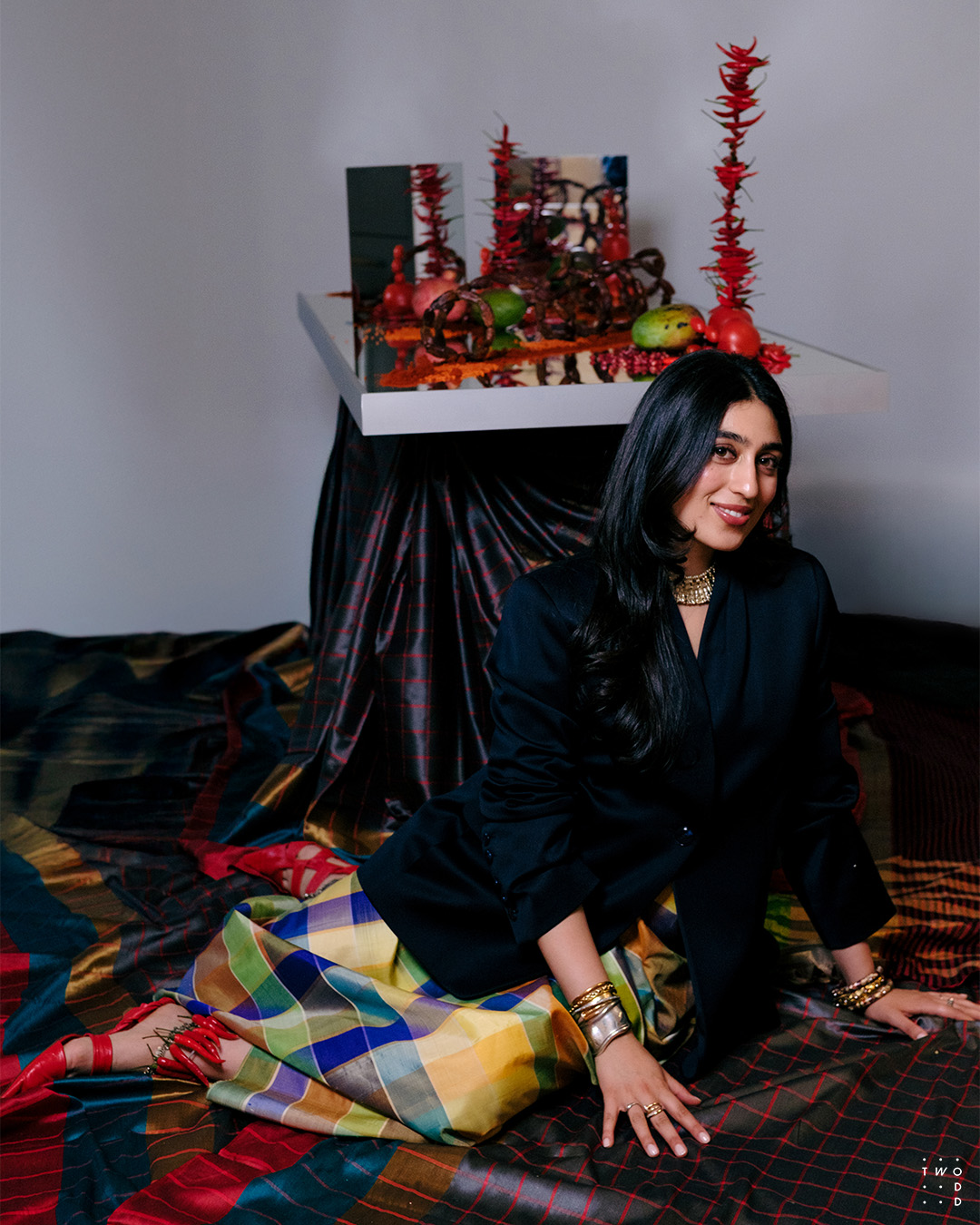
 Identity Potluck is a recurring series that aims to understand how creatives of multicultural heritage navigate their identities. The series spotlights their understanding of representation through food. The imagery created features elements native to the creative, and how these elements impact the method in which they have reclaimed their nuanced sense of self.
The fourth edition of Identity Potluck focuses on Samah Dada, commonly referred to as @dadaeats, an Indian-American TV host, bestselling cookbook author, and celebrated media personality. Named one of Fortune Magazine’s Top Creators and a Forbes 30 Under 30, Samah uses her platform to champion South-Asian representation in the food and television space. She merges food and culture with wellness, health, and mindfulness, appearing frequently as an on-air contributor for the TODAY Show, where she hosts her shows #cooking and HOW TO EAT PLANTS. In her new show, On the Menu, she sits across from guests like Tom Holland, Andrew Garfield, and Florence Pugh. In this round, Samah delves into her unique perspective on wellness and health as a way to champion South-Asian representation, her journey in creating a space for herself in the media, and her mission to merge food and culture with mindfulness.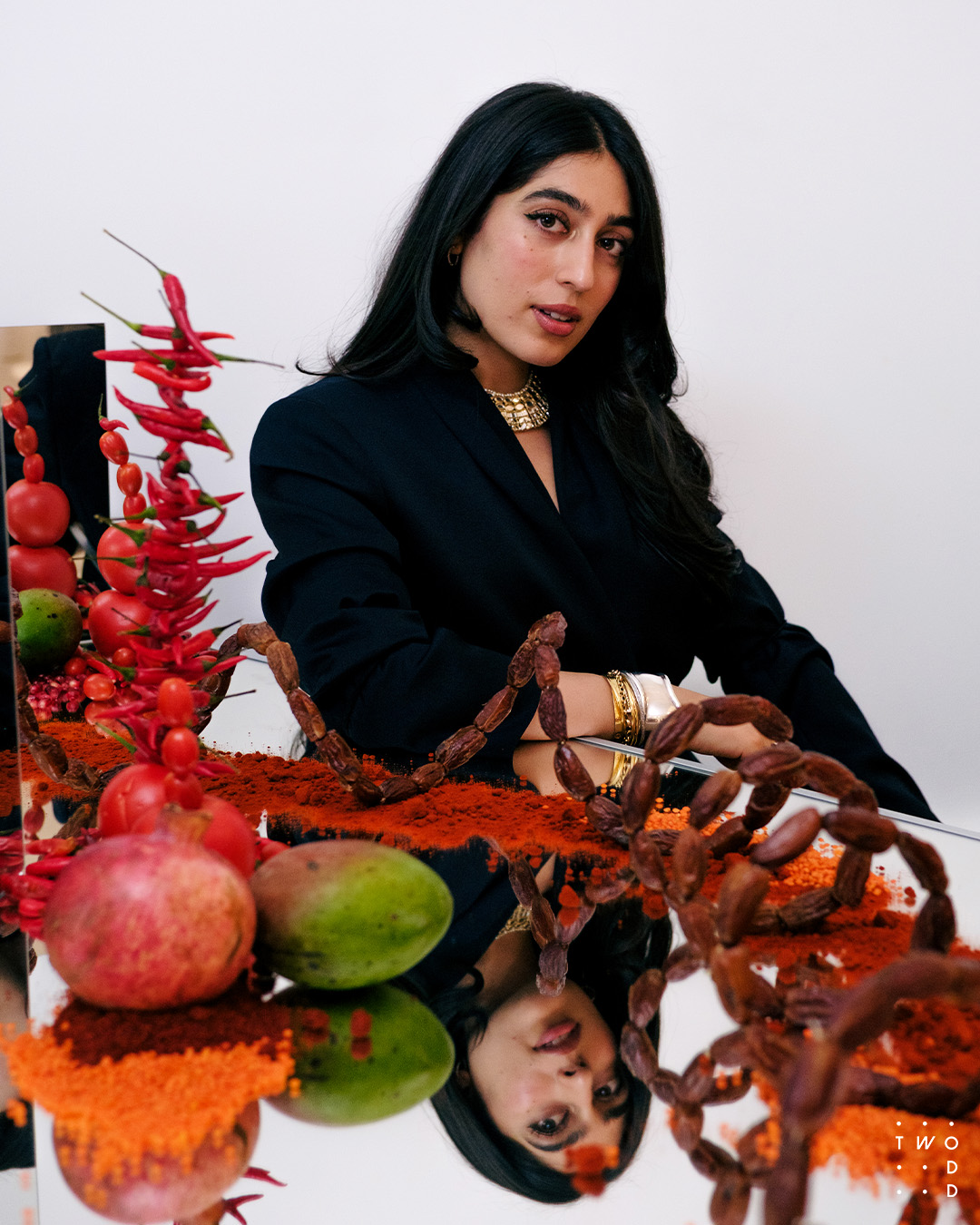
Name: Samah Dada
Name Alternatives: Dada Eats
Age: 30
Personal Pronouns: She/Her/Hers
Current Occupation: Chef, Television host, Founder of Dada Eats
Perpetual Interest: My community, friends, and family. I always say that the people I keep close to me are the best and my favorite part about myself, and so those who are in my life in this way will always be the most important feature of my life.
Also, self-examination, growth, and finding modalities to remain at peace and content with where I am as I look toward where I want to go…this is what I believe and anticipate to be my lifelong struggle and I am buckling up for it !! Like, fully strapped in. It’s beyond important for me to continue to work at it, and myself, because it’s my perpetual interest to be better, serve my community in more impactful ways, make others and the othered feel seen, and learn myself in every way, so I can contribute to the world as the most ego-disolved, “me” version of me.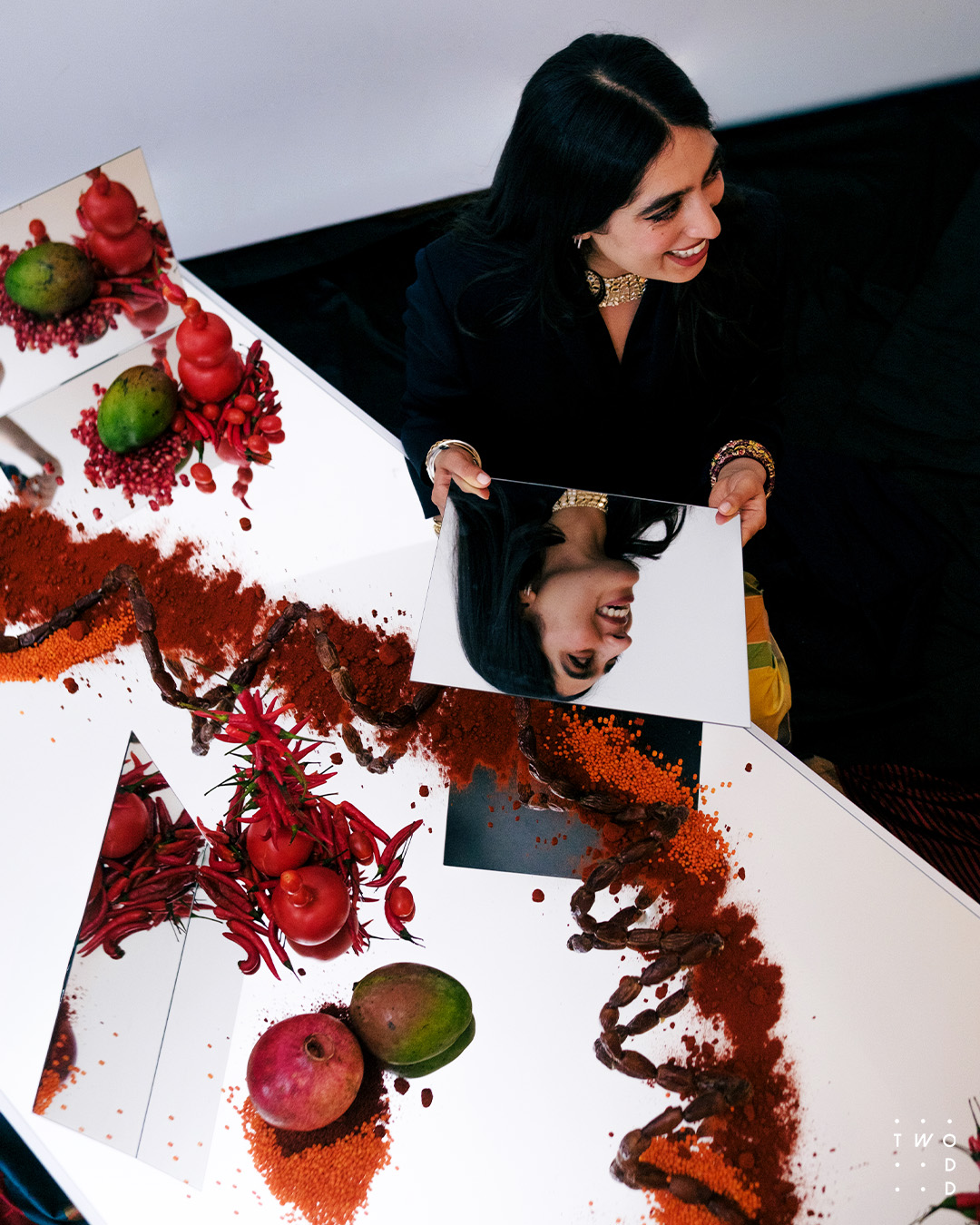
The place I call home: Orange County, CA (aka wherever my parents are) and New York City (my home for the past…next year will be 10 years!)
My home away from home: Technically Orange County, where I grew up. Since I live full-time in New York, whenever I come back to California it always feels like coming back home - and to a previous version of myself.
What my home(s) represents to me: My home in New York is a sanctuary and laboratory for my creative and personal processes. It’s a space that’s safe for me to experiment, explore, and spend time with myself. It’s where I’ve come up with some of my best ideas, and have also experienced some of the lowest points and feelings of my life. My home is so sacred to me! Many highs, lows, ebbs, flows, and crash-outs have been had in my New York home, but seriously, what is life without any of those things, honestly? We need to experience the worst and the best to self-actualize.
When my work hinges on my ability to continuously create in my own kitchen and home, it can sometimes become complicated and challenging to draw boundaries, and continue to cultivate a space that feels nourishing and giving to me, in the same way that I want to be giving to it. Because of this, I am unusually precious about my home, and conscious about the energy within it, and of the people I allow into it. Not to elicit any eye-rolls but truly, I’m very sensitive to the energy of people and spaces, so it feels personal and slightly exposing for me to allow someone into my world like that.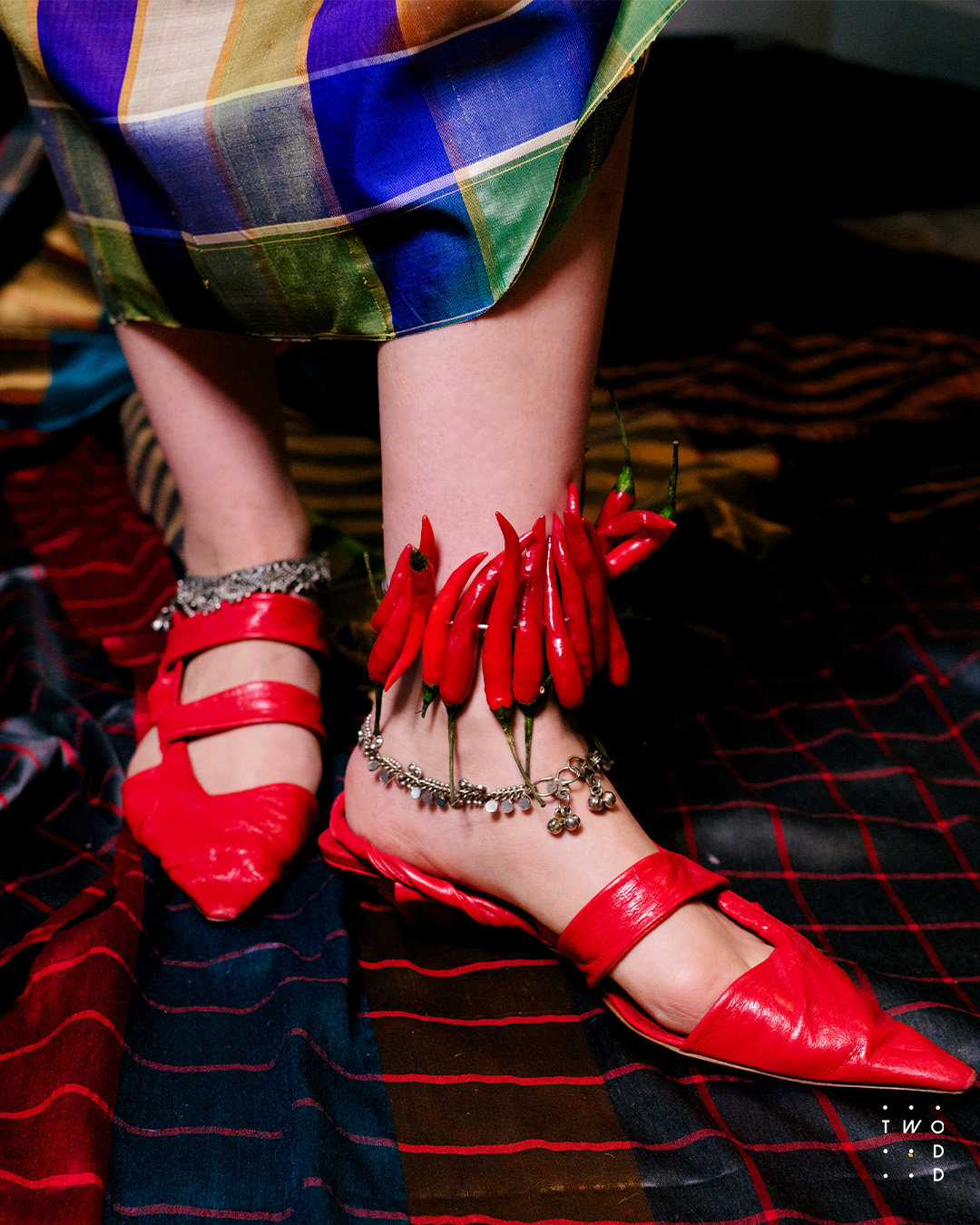
My home in California is where my parents are, and it’s the place where I most feel like I can put my armor down and rest. I think a lot about all of the amazing and scary and beautiful and confusing and empowering things that I’ve handled on my own from ages 20 to 30 (now!) of living alone and building my business solo in New York. It’s only natural that life forces you to put up walls and guardrails to protect yourself, consciously or not. My parents are still in the childhood home we’ve had since I was in 4th grade, and it’s under their roof where I feel protected, taken care of, and most importantly, unguarded. I recognize this place of safety to be what it is: a massive privilege. It doesn’t hurt that my mom literally forces me to take breaks from cooking and makes me just sit down, so she can handle it and let me rest (love her for this).
A memory I associate with my home: Growing up, my parents would take my younger sister and I to the local public beach on the weekends for a breakfast picnic. Perhaps….the original Dada brunch? We’d take bagels (shout out Bruegger’s lol), sugary-sweet Orange Mango juice from Nantucket Nectars, and fruit (usually grapes) in tow. My dad would wedge a huuuuge beach umbrella into the sand (because god forbid our melanin-rich skin got even a lick of vitamin D), and my mom would spread towels on the hot sand as our blanket. We’d unwrap our bagels (extra-toasted, well done — say you’re desi without saying it) and spread them with chive cream cheese. The sand would salt my Jalapeno Cheddar bagel, sprinkle the grapes, get on the towel, and in between my toes. Few things feel more special to me than the memories of rituals around food and loved ones, like this one.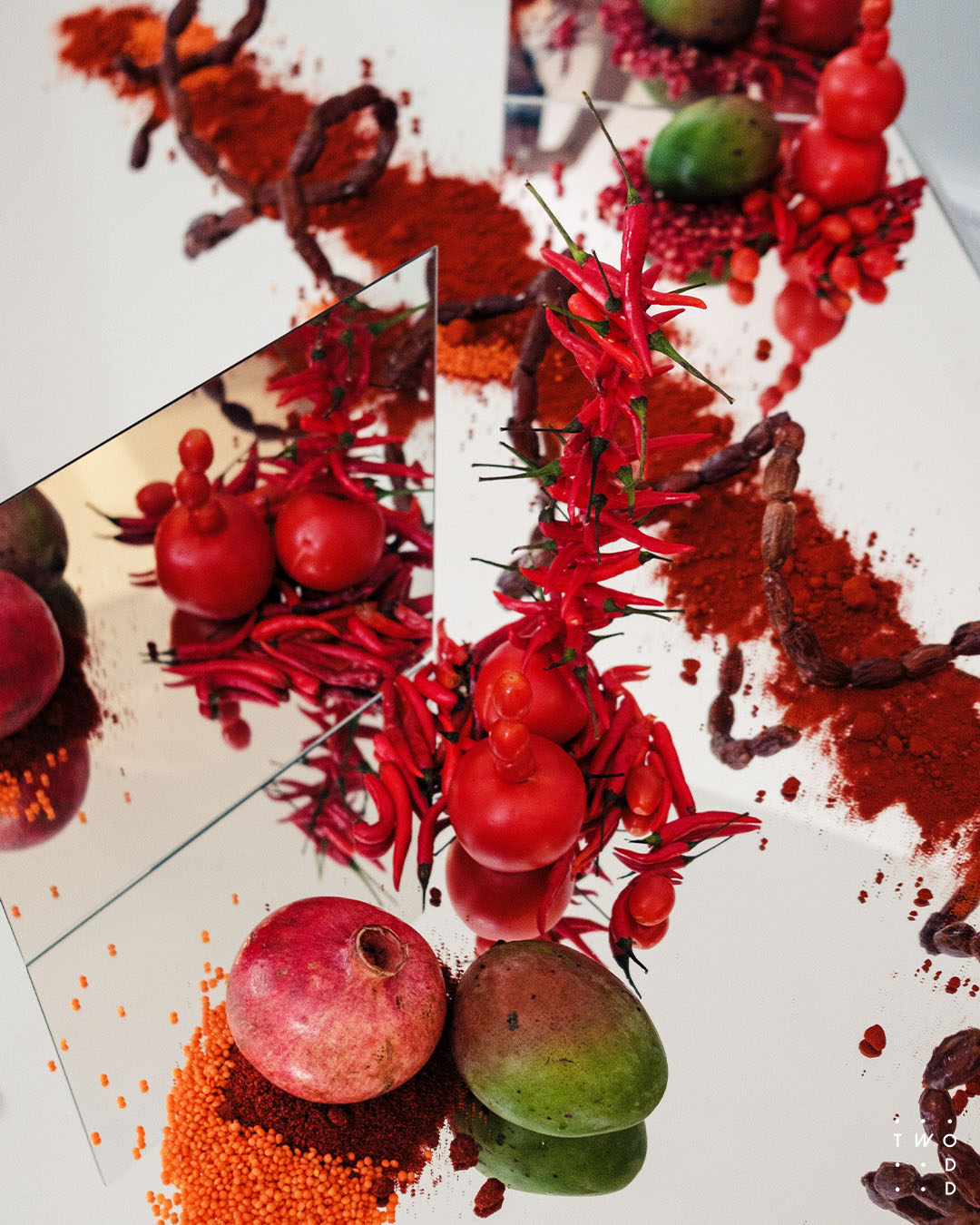 What other people often generalise about me without an understanding of where I come from: I remember always getting the “where are you from?” question growing up in Orange County, California. These people undoubtedly want the answer that you don’t give them, because “California, like you!” was never satisfying enough, an instigation for the “actual” answer born out of a curiosity at the color of my skin and my thick eyebrows, just a couple of my clear “ethnic” question marks and markers. Growing up in a predominantly white community with no semblance of belonging to my own culture, it was instilled in me at an early age the notion that being “different” was not a strength, and feeling othered, the result of any type of deviation from the norm, was just how it was going to be. I should note, these feelings aren’t unique to me, but familiar to many third culture kids or immigrant experiences. I felt unseen for who I was, so much so that it was hard to even see myself.
How these generalisations affected the way I saw myself: If enough people make you feel like you don’t belong, it creates layers and layers of top of your worth and value in an effort to keep both hidden from yourself and others. It’s protection, and permission to hide and cover up your true self and identity all with the goal of making your existence more palatable to those you encounter. I was operating from a modus operandi of protecting and catering to the comfort of others to the detriment and discomfort of myself. People pleasers anonymous anyone??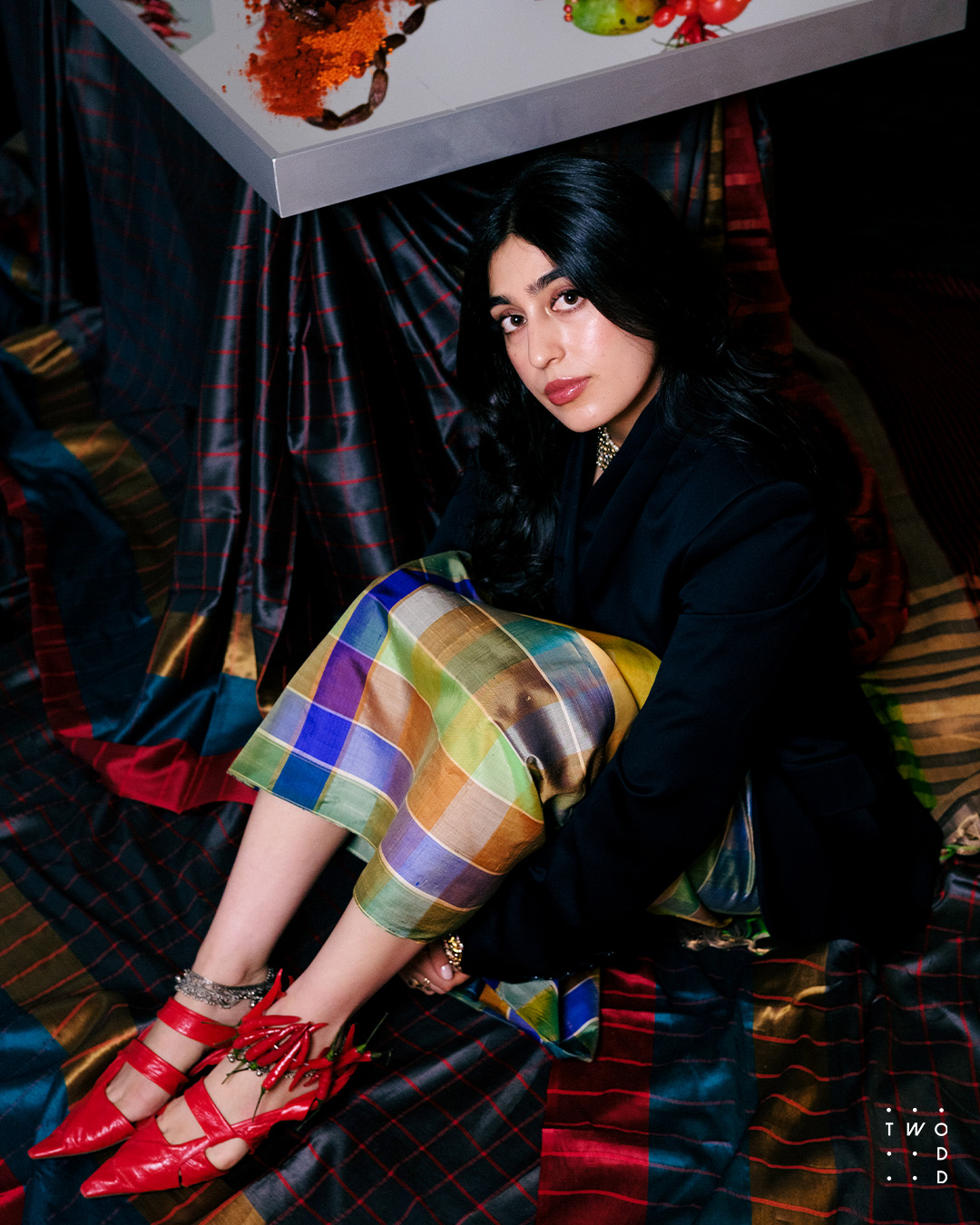
In order to cope with my lack of belonging, I became exceptionally skilled at being a people pleaser, an accommodating person, a high-achieving person, so at least if I stuck out - it would be in some sort of praise-worthy way. It’s all fortification right? At the end of the day, it’s really only self-acceptance & understanding that can free you, and the process of banishing the shame you feel for hiding, so you can finally work to dissolve the protective layers and be, and to exist as unabashedly yourself. I hid the discomfort I felt in my own skin from myself, too — wanting nothing more but to just fit in and belong. But, I am so glad I finally realized that there is no part of “fitting in” that is desirable to me. What a detriment to the one life I have, to the person I am, to work so hard to be anyone but myself. All that was missing was me. The second I chose to start embracing myself for who I was and stop caring so much about how I was perceived, was the second I started to find success in my work and my life. There is no benefit to de-selfing, ever.
What these generalisations are ignoring: A lot of my struggles growing up were based on not feeling Indian enough, and not feeling American enough - straddling a line of inherent not “enoughness” that bled into other areas of my life. Neither here nor there has you in limbo, the worst purgatory of them all. Even when I went to college and met those who did have and belong to an Indian community, I was still seen and made to feel as though I was not desi enough to be able to form genuine connections with them. I didn’t realize at the time that having a different experience from others doesn’t make me less Indian, or less American. You can be, and be seen for more than one thing. I think it’s something I have always struggled with. People love to put us in boxes - but I am allergic to a box. I want to climb out of an enclosed space as soon as I enter! Get me out! It’s only advantageous for us all to embrace every aspect of us as if each part were the whole. I like that I am multi-faceted. I like that I have multiple identities that I can call mine. Not everyone has to understand you, but the right ones will try.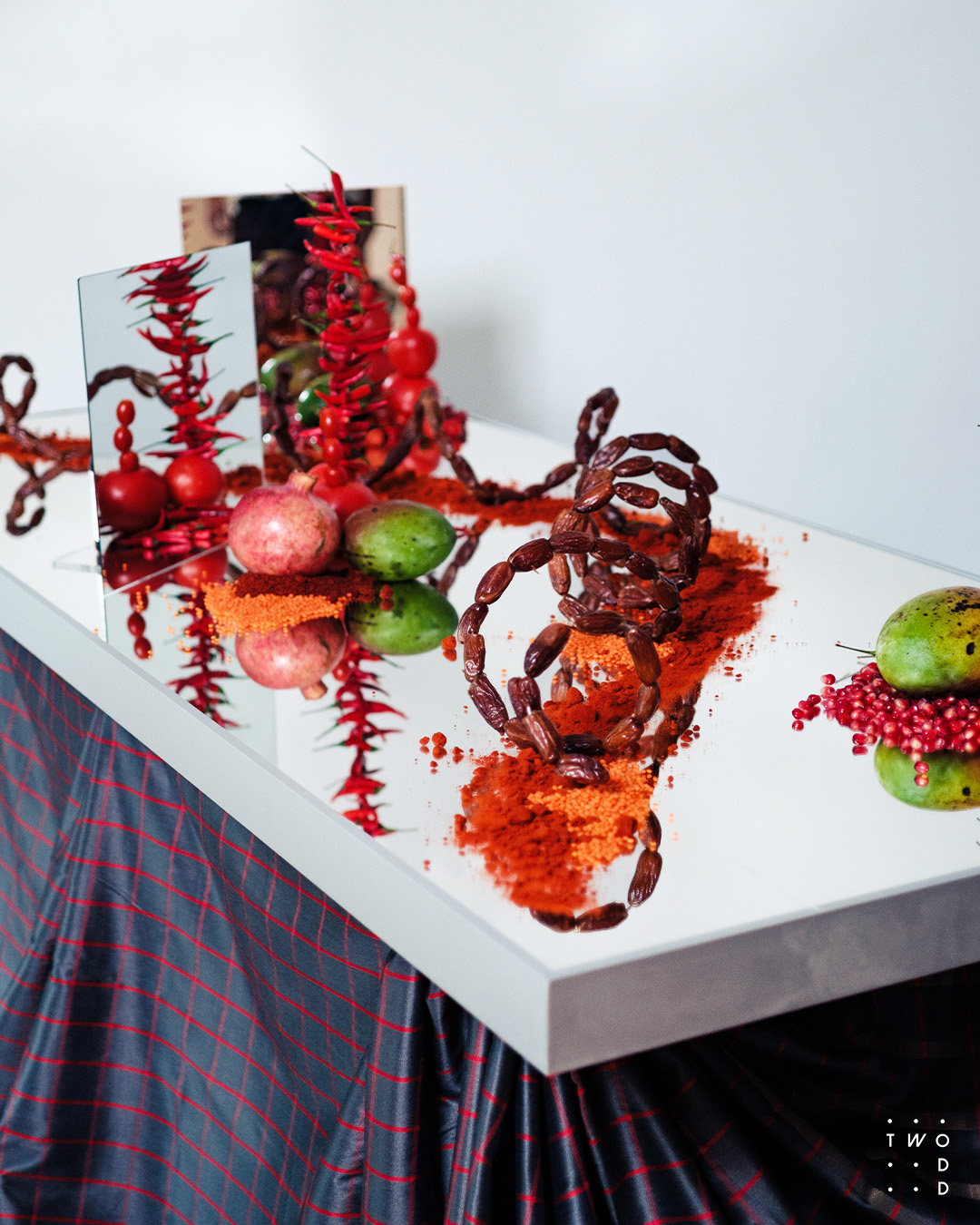
How did I create a space for myself within the spaces I was in without losing my identity/ How did I reclaim my identity for myself: Despite my lack of belonging in every other aspect of life, dinner always felt different. It was almost like I had been programmed to eat dal and rice with my hands, scoop up my mom’s chana masala with roti and declare, without considering any others, that my favorite food was biryani. I didn’t have to code switch to belong here. I jumped at any opportunity to watch my mom cook, peering over the stove to speculate how each dish she threw together, sans measuring spoons and cups, came out completely perfect each time. Food was the sole way in which I was able to reclaim my identity - because it just made sense on the dinner table. And I know now that I have accidentally turned my people-pleasing into palate-pleasing, my weakness into my strength. Cooking is the passion of my life, and nothing brings me closer to myself and to my identity than the foods, recipes, and flavors of my family and heritage.
At the end of the day, you know what it is? I see representation as a form of permission. It’s permission to say — I see you doing that, and you look like me, so maybe I can do that too. I didn’t have examples of that in the food media space growing up, so I didn’t give myself that permission to be seen. But my entire goal with my career is to make others feel seen — and to feed them, not just food but a sense of love, hope, belonging, and community. I hope that I can have a tiny impact on even one South Asian person to encourage them
to believe that they deserve to take up space, they have VALUE, and can & should be seen, heard, and celebrated.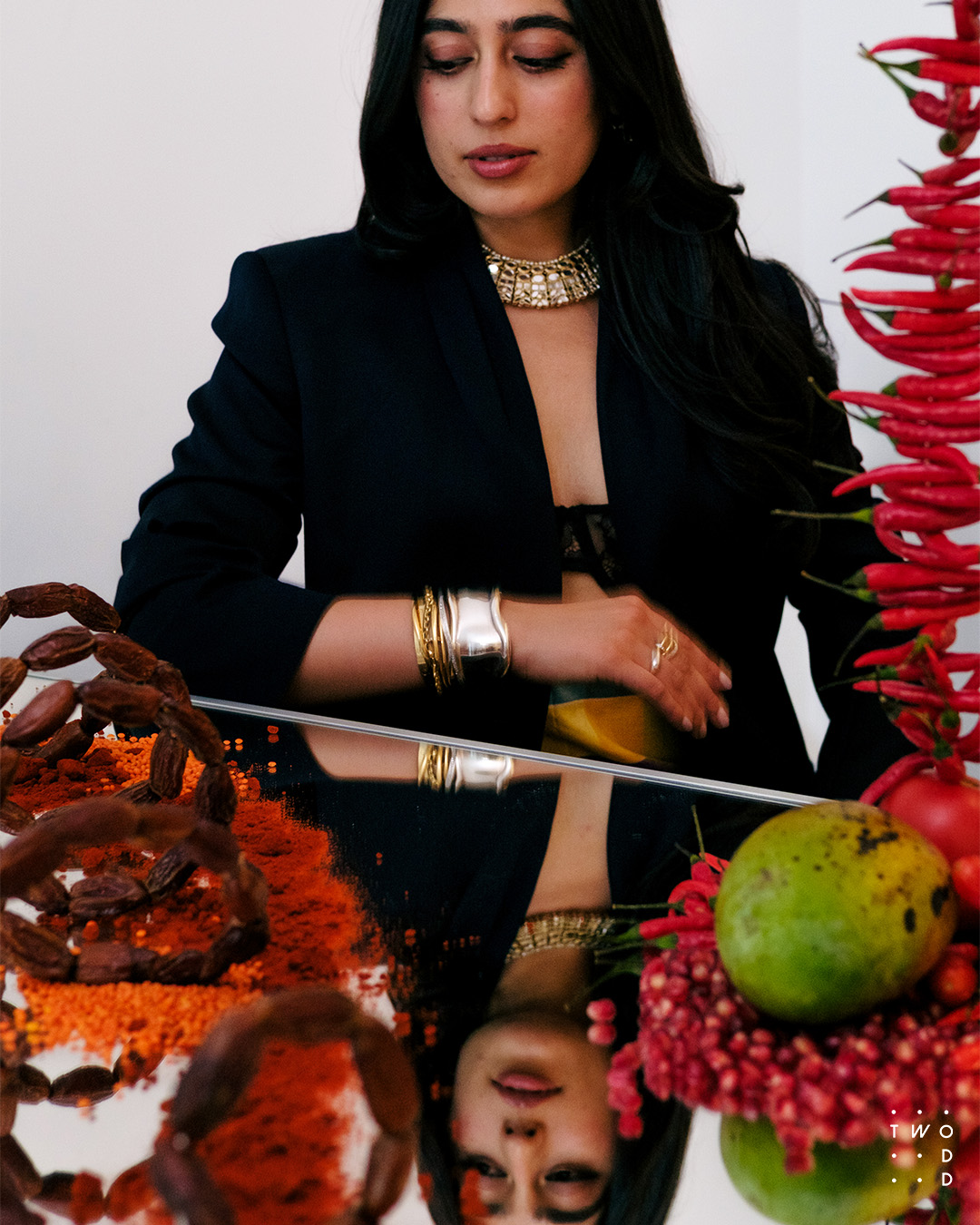
There have been times in my career where people have told me to share “less-indian” things for a wider audience and while there were moments where I asked myself, is continuing to hide the best route to success? But no, it never felt like the right choice, nor the authentic one (which is what matters), because it wasn’t. Through all my years of attempting, I will never again consider dampening my identity and who I am for the sake of being palatable to others - because we can always be more than one thing.
The elements of my roots that I use in my creative process: I’m lucky to have grown up with incredible, built-in inspiration from my mom, aunt, and late grandmother, each who have instilled in me not just a deep love for cooking, but the understanding that it is, and has always been, so much more than sustenance. From them I observed that it was much more about love, understanding, belonging, and care - and the joy of bringing happiness to someone else through a meal. In addition to that, the spices, ingredients, and flavors of the dishes I grew up with always inform the choices I make in the kitchen, and continue to guide me as I reinvent and reimagine the ways I cook Indian food.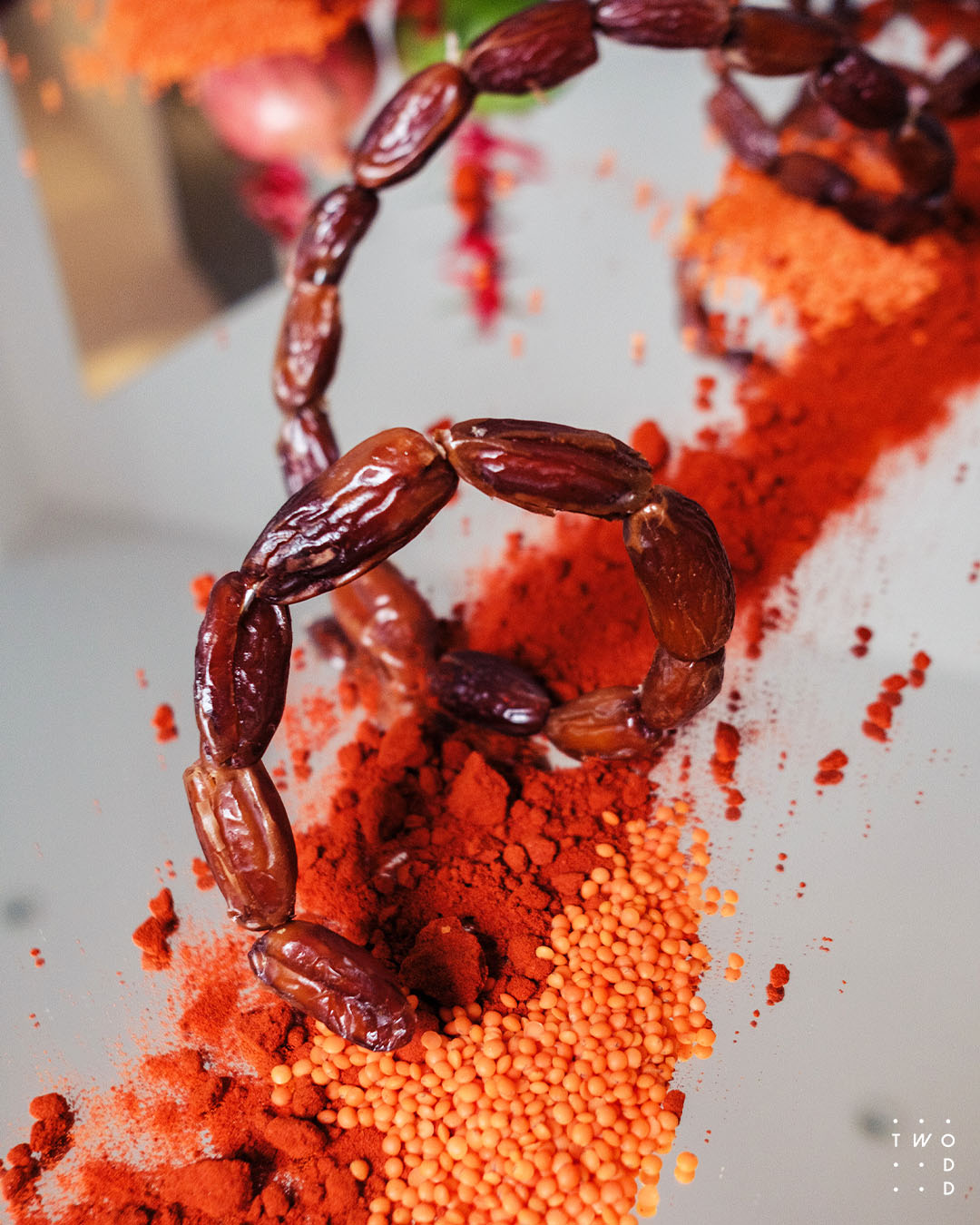
How and why food is important to my process of building a community: It is everything. To have the privilege of working within food and food media is the biggest gift of my life. Cooking is the language I taught myself to be better understood, and to understand myself. It is connection, it is belonging, it is nourishment, it is sharing, and it’s a demonstration of love - maybe one of the easiest, or at least, one of my favorite ways of communicating it. When someone brings a recipe of mine into their kitchen, or around their friends, family, loved ones, celebrations or milestones - I will never not see it as a massive honor and privilege.
I started developing recipes in the plant based realm with alternative ingredients that were supportive to those who had dietary preferences and restrictions ten years ago, before you could find the ingredients I was working with at mainstream supermarkets. I remember “what is almond flour?” being one of my main questions back then, when you can now find it literally at Trader Joe’s! Catering to those who had fewer options back then allowed me to start building a sense of community around those who were often overlooked. Fitting into peoples lives in a supportive and hopeful way by allowing them to find joy and empowerment through cooking that makes them feel seen is all I have ever wanted to do, and I hope to continue to for years to come.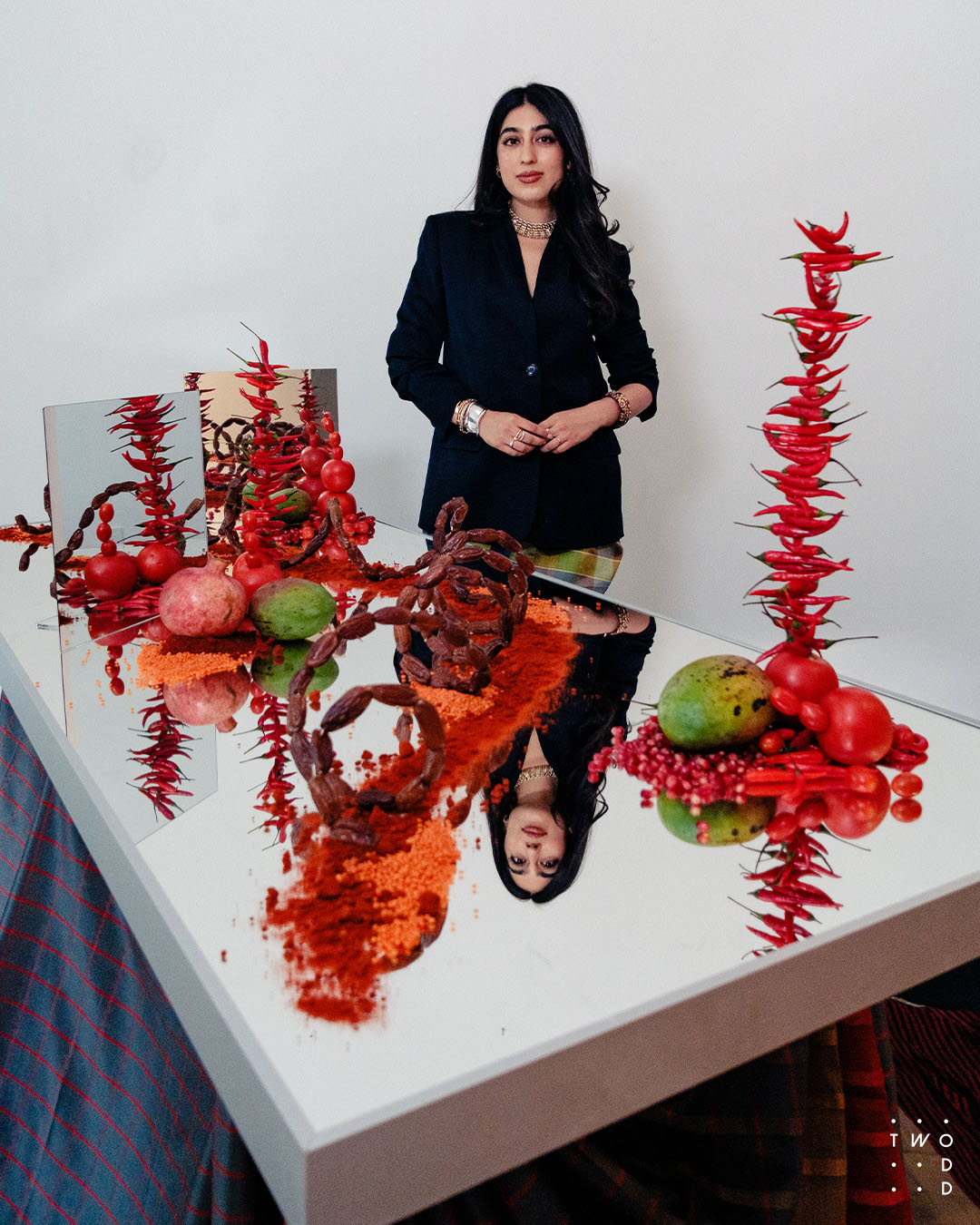
The meal from childhood that I would introduce to a stranger: My mom’s biryani. There is nothing that tastes more like home to me.
My favourite meal and why: I could never pick one thing…but I’ll give you my cop out answer. I’d say my favorite meal is any I’m sharing with those I love. Eye-roll, I knoooooow. But really, when you have any number of your favorite people around you, how could it not become your favorite meal?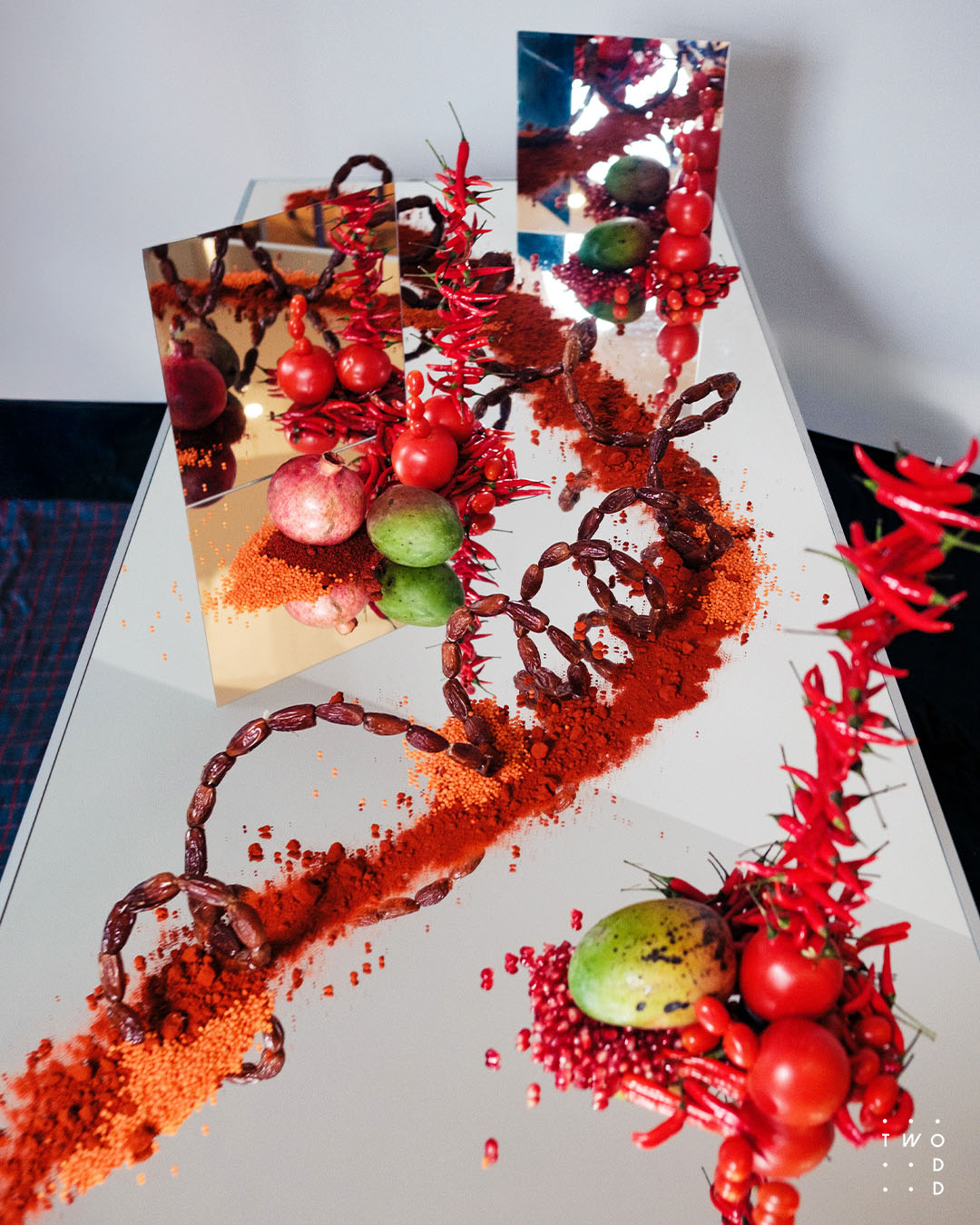
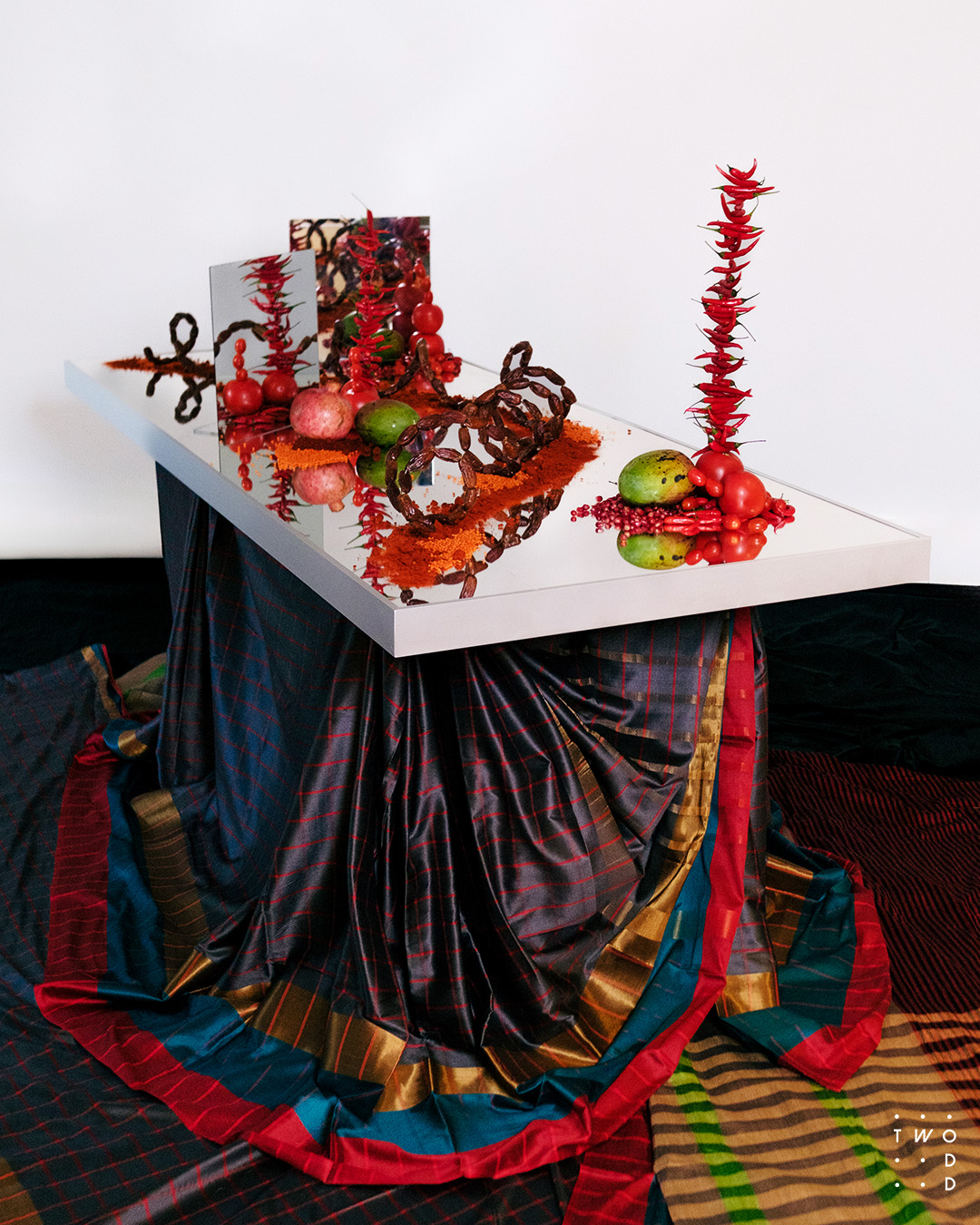
The installation reflects Samah’s identity, exploring themes of reflection, visibility, and cultural grounding. At the heart of the setup is a mirrored tabletop—a literal and symbolic surface that reflects not only the food but also her desire to be seen. Layered onto this are vertical mirror fragments, multiplying and fragmenting the reflections, creating a sense of being witnessed from many angles. This echoes the layered nature of identity and visibility as a brown woman in a predominantly white, male-dominated industry. The unconventional table construction symbolizes her journey and advocacy for more representation and visibility.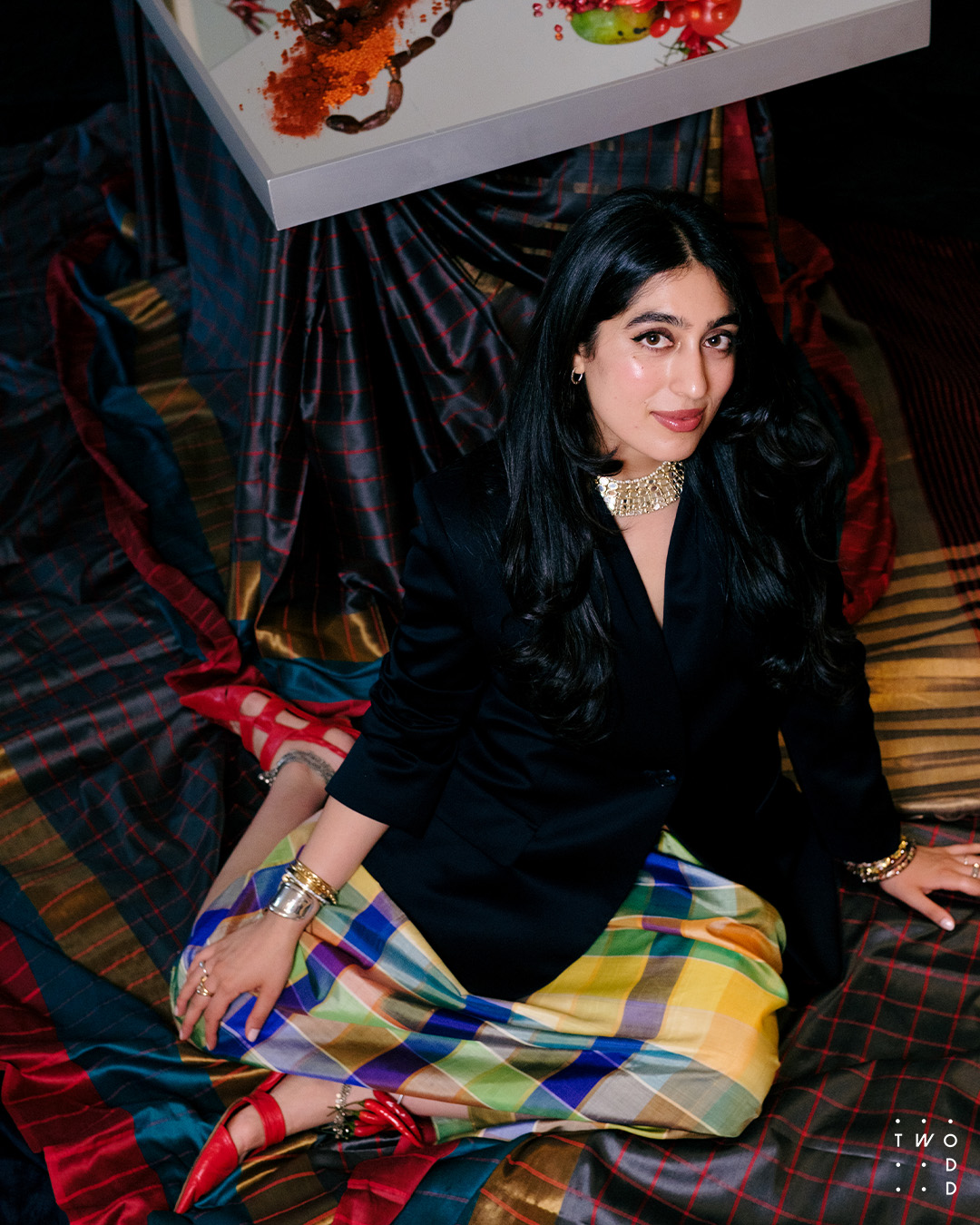
Beneath and around the table, South Asian fabrics take center stage. Sarees are elaborately draped over the table legs and flow onto the floor, grounding the space in rich textures and bold colors. This dramatic, tactile use of fabric contrasts and complements the cold surfaces of the mirrors above, embodying the duality in Samah’s narrative: the need to be seen and the call for a more authentic, unapologetic embrace of South Asian identity. The visual tension between reflection and rootedness mirrors her personal journey and her mission to showcase her culture.
The table features only fruits, vegetables, lentils, and dates which are a staple in all of Samah's recipes. These ingredients nurture her famous gluten-free, dairy-free, and refined-sugar-free recipes, which merge traditional South Asian flavors with a modern wellness perspective.
Creative direction and table art : Akshita Garud, Two Odd
Muse and words by : Samah Dada
Styling by : Jaya Nanda
Photography by : Eli Sethna
Production support : Preet Kaur and Sussanah Mifsud