


3_The Identity Potluck with Jeftin James
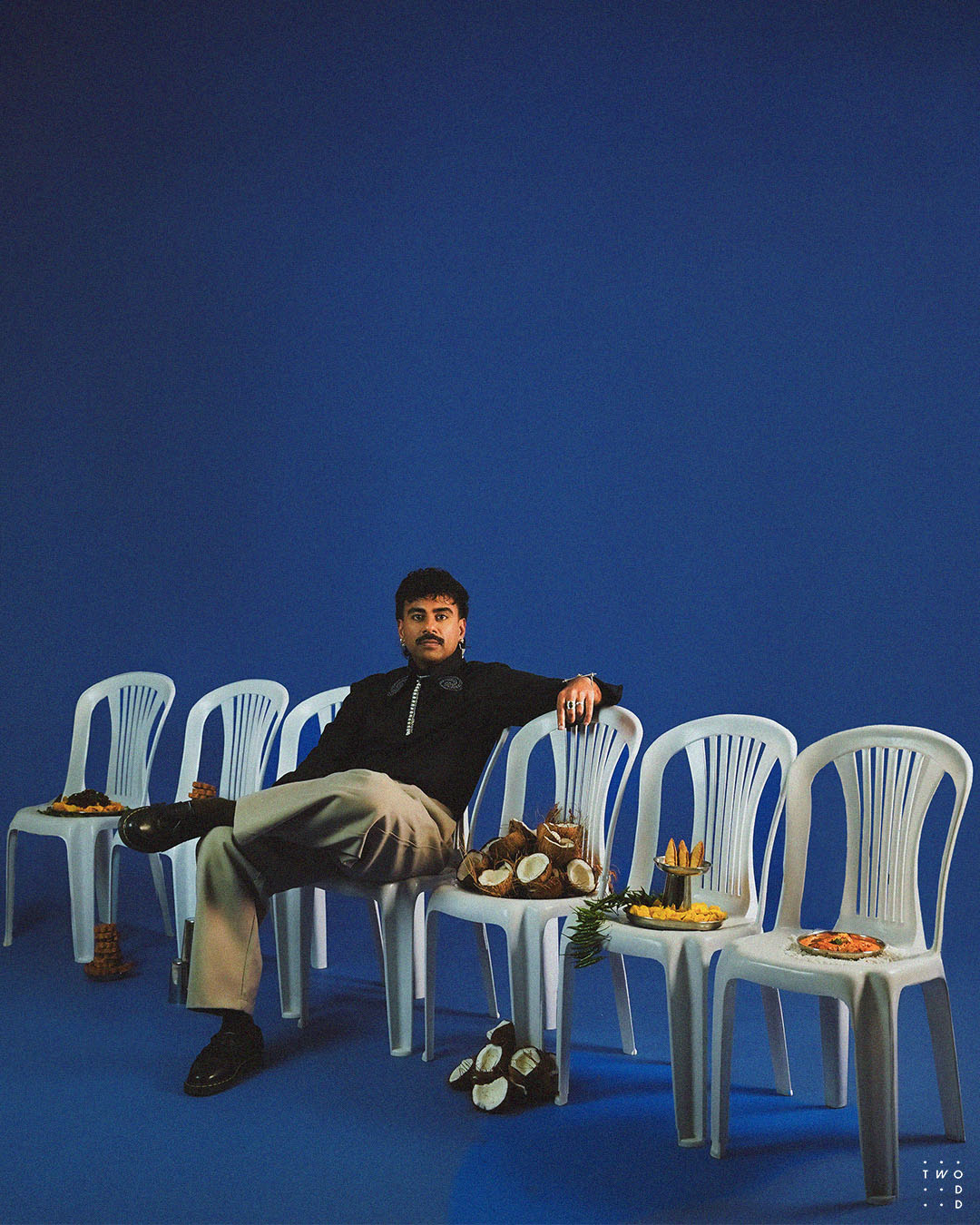
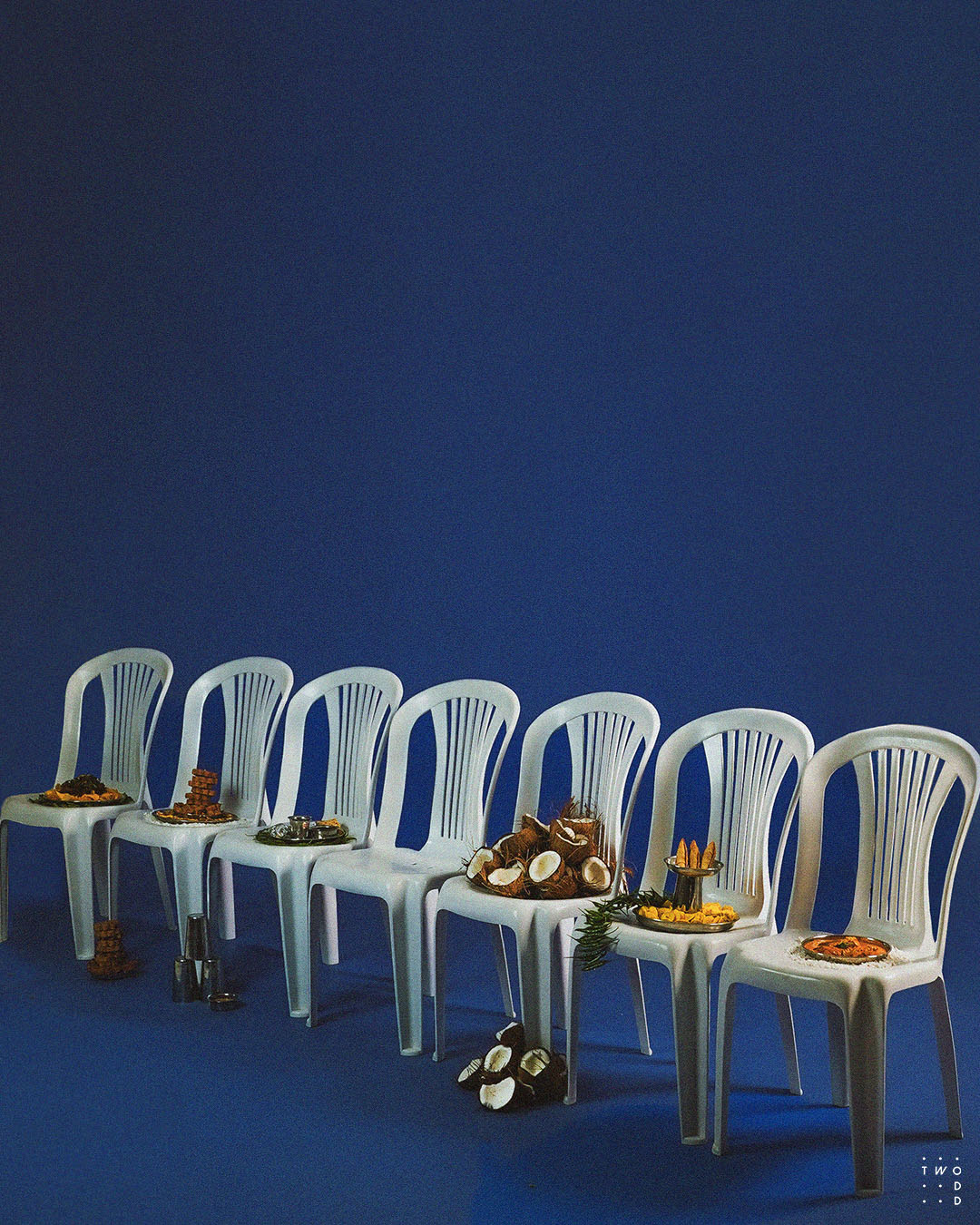 Identity Potluck is a recurring series that aims to understand how creatives of multicultural heritage navigate their identities. The series spotlights their understanding of representation through food. The imagery created features elements native to the creative, and how these elements impact the method in which they have reclaimed their nuanced sense of self. The third edition of Identity Potluck focuses on Jeftin James, commonly referred to as DJ Jeff, a Malayali-Christian DJ living in Dubai. In this round, Jeff delves into his third-culture concept of “home”, the lack of South Asian representation in music spaces within the Middle East, and his journey that turned his cultural confusion into creative clarity.
Name: Jeftin James
Name Alternatives: DJ Jeff
Age: 38
Personal Pronouns: he/him
Current Occupation: A curator of world sounds
Perpetual Interest: Stick No Bills
The place I call home: Ajman
My home away from home: Dubai / Cochin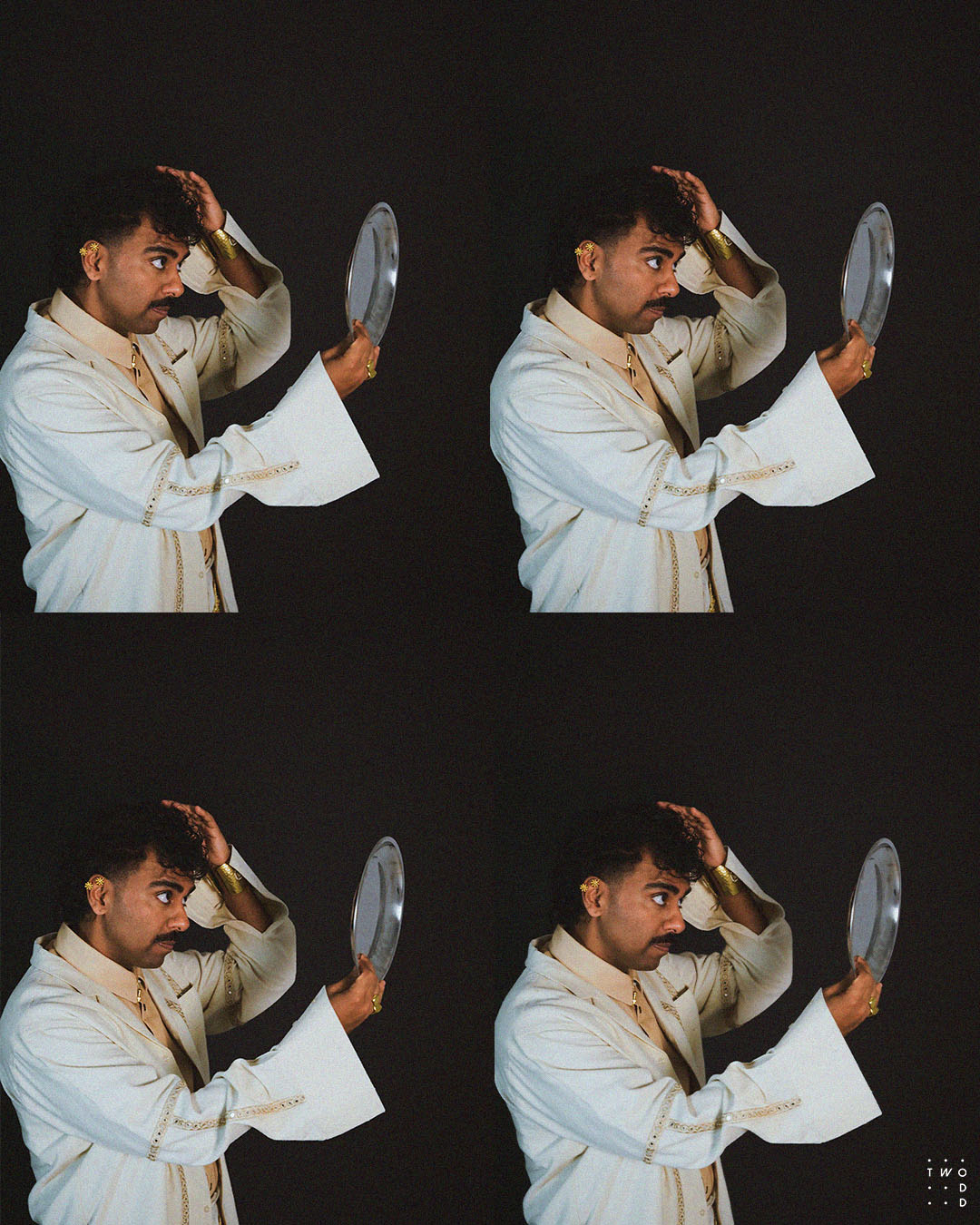 What my home(s) represent to me:
A Place of Roots and Routes
Though I’ve lived in the UAE for 38 years, my identity carries threads of different cultures. My South Asian heritage, my experiences at boarding school in Cochin, and the deeply layered life I’ve built in the UAE. Home, for me, might not be just one geographic place—it could be the route I’ve taken through all of them.
My Dad’s Grocery Store
My dad’s grocery store may have been more than a family business—it was likely a symbol of resilience, community and quiet ambition. He was the first from his village to travel overseas looking for work. It evokes memories of warmth, routine and hard work - there were no shortcuts. I spent a lot of time behind the cash counter during my breaks from school. It taught me how to stay structured, understand what sacrifices it takes to run a business from nothing and it opened up interactions with a lot of customers who were primarily of Arab origin.
Boarding School Life
I spent my high school years in boarding school in Cochin and it brought its own lessons, as well a bittersweet sense of separation and belonging. It got me closer to my roots, made me more involved in my love for music & sports. Most importantly, it gave me the confidence as a teenager to make my presence felt in a room full of diverse people. That was tough considering the fact that I came from an all-boys school, and I was quite shy when interacting with girls.
Putting it all together, Home may be something I learned to carry inside me, a constant I created in unfamiliar places.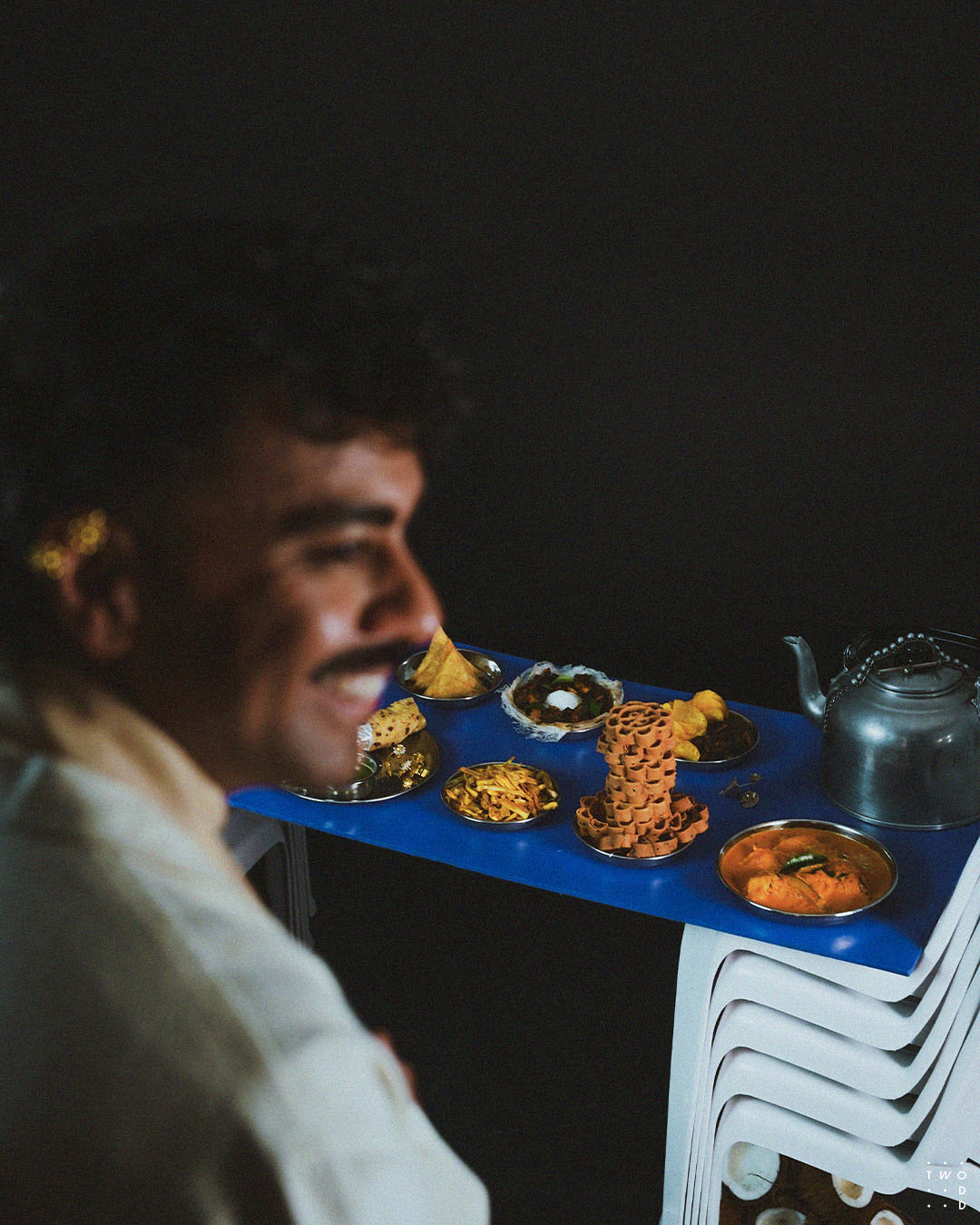
A memory I associate with my home:
One of my core memories is spending time in my dad’s store—helping clean up, putting together orders, restocking shelves and vending machines, and making Xerox copies. That’s also where I first got exposed to international music, thanks to the cassettes he used to sell.
Another key memory is starting my music journey with keyboard classes in 5th grade, which eventually led me to join the school band in Cochin. Family picnics and potlucks were a big part of our life—we were always on snack duty: samosas, chai, banana fritters (pazham pori), and more.
The UAE has transformed dramatically over the decades, and as someone who’s grown up here, I’ve had a front-row seat to that progress. So for me, home isn’t just about personal memories—it’s also a witness to national history.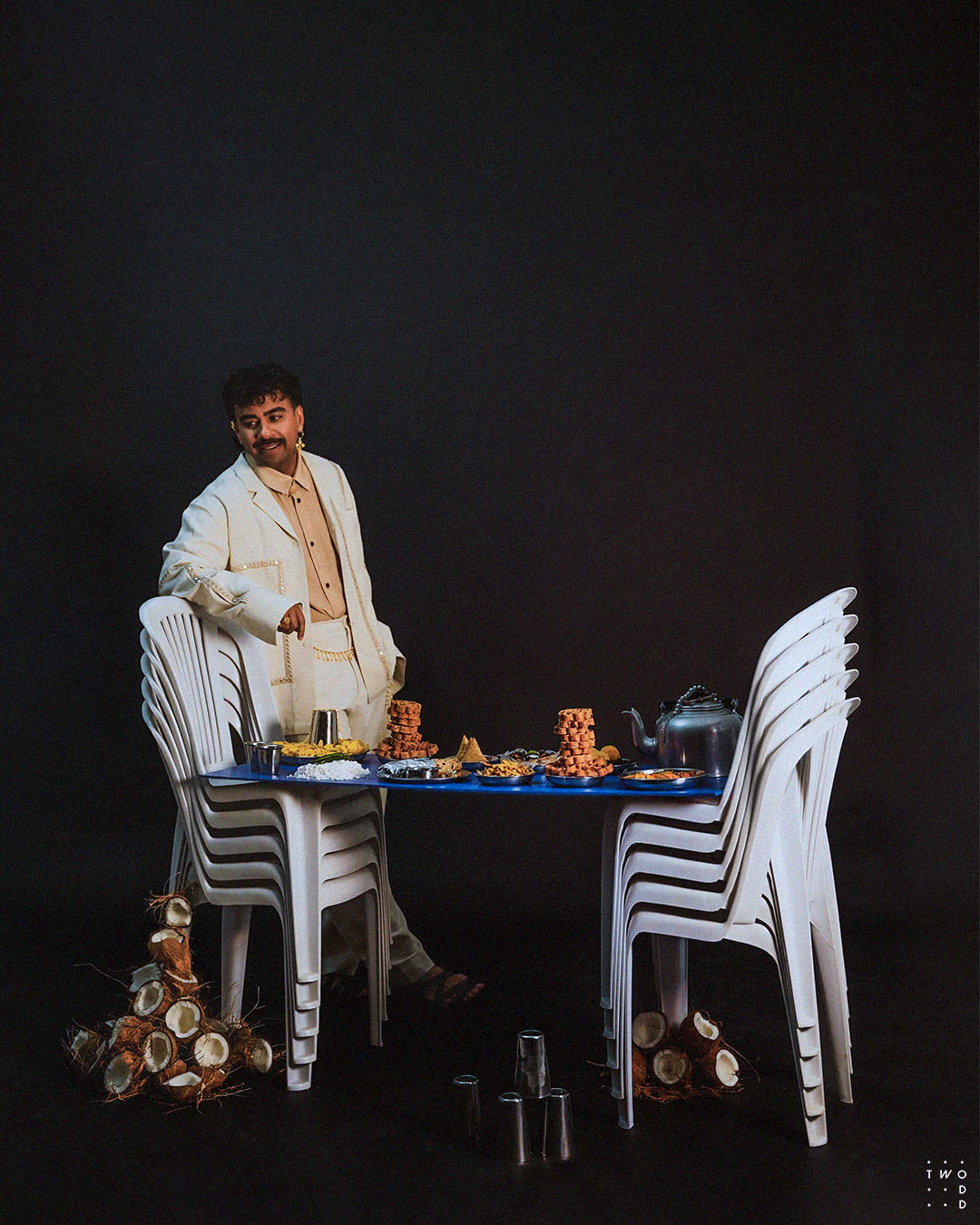
What other people often generalise about me without an understanding of where I come from:
This taps into deeper layers of identity, perception and representation. People often see me through a narrow lens. As a South Asian DJ in Dubai, there is an assumption I’m only here to spin Bollywood tracks at desi nights, or at least that’s how I’ve perceived they saw me. And sure, I’ve done that for over 15 years—watched people dance away to the tunes of our shared culture. But that’s not the whole story.
Representation has been limited in the region. Very few South Asian DJs are known outside of that “Bollywood DJ” label. We’re often boxed into a single identity, with little room to express range, taste or artistic depth beyond what’s expected of us. Part of the reason might be that desi nightlife here is driven more by promoters and clubs than by DJs themselves. But that’s starting to shift, with more DJs launching their own initiatives.
Even our accents become politicised. I remember how my uncle, who used to MC gigs, switched to an American accent to be taken more seriously and book more gigs. I’ve been told I have a “neutral” accent—whatever that means—but it’s likely because my parents mostly spoke to us in English growing up. It wasn’t about trying to fit in. That was just our reality. 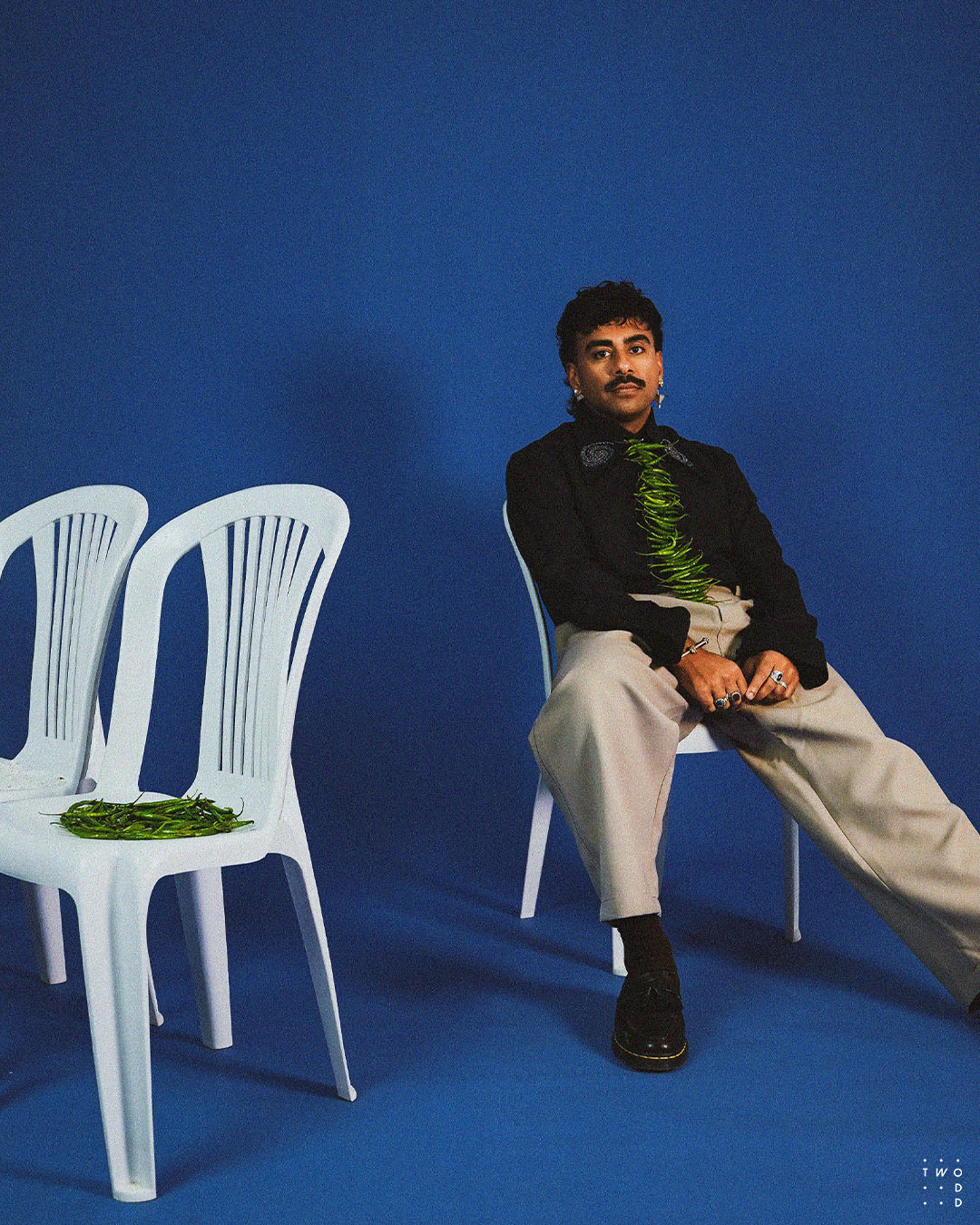
What these generalisations are ignoring:
People often miss the full picture—the years of hard work, research, mastering the craft of DJing, the influences that stretch beyond borders, the desire to create a sound that’s not limited to where I come from, but shaped by it.
How these generalisations affected the way I saw myself:
Until 2020 I used to be happy being a DJ that did resident weekend gigs and not putting much creativity into the sets. I didn’t see a reason to try otherwise because people were comfortable with the same old sounds. Every time we tried something new, promoters and clubs would ask us to go back to basics. Every artist has faced this at some point.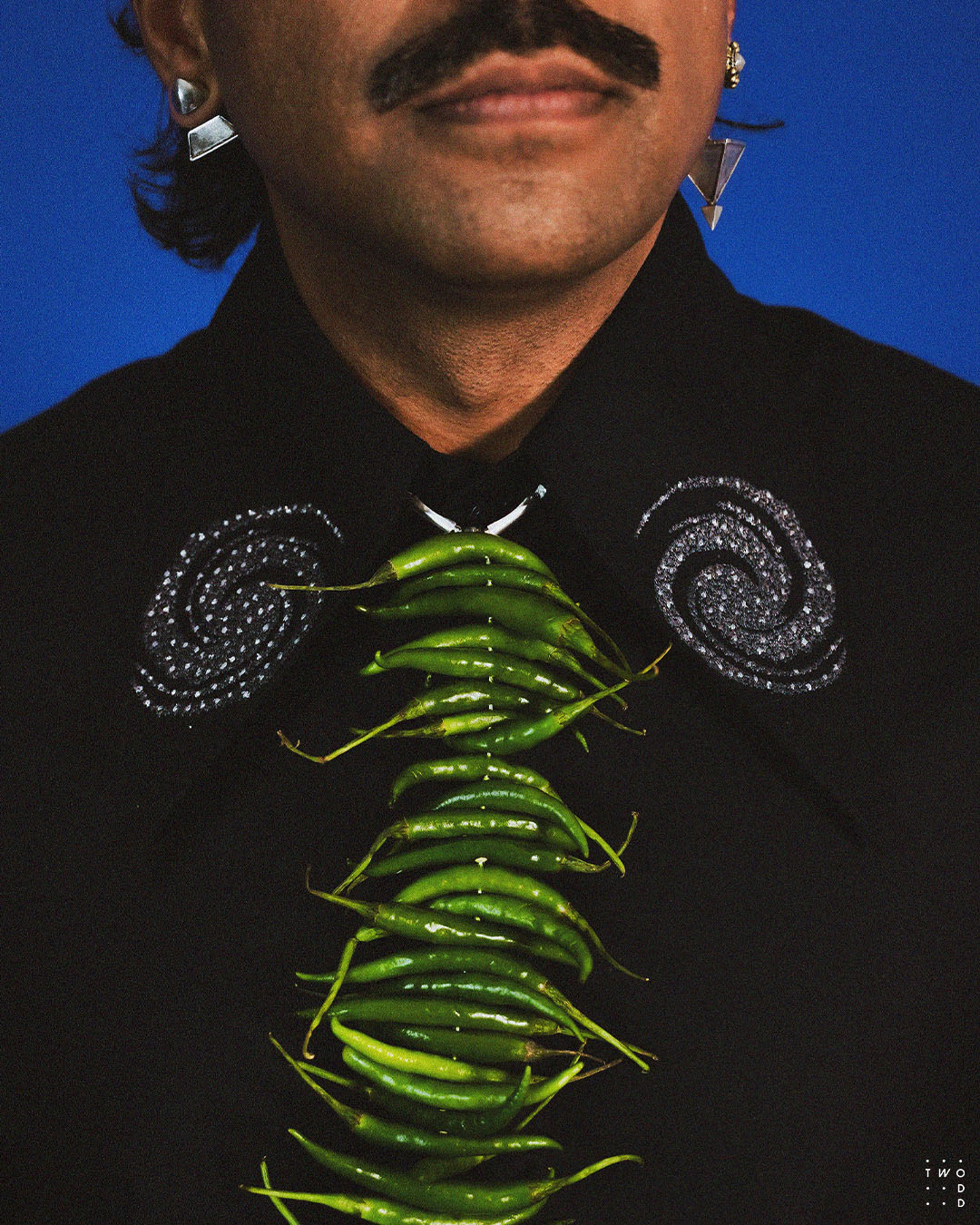 How did I reclaim my identity for myself:
In 2020, the pandemic hit, and we were all out of jobs. That’s when I decided that I wouldn't return to club gigs until I rebuilt myself as an artist. It became about playing the music I wanted to hear - mixing cultures in my sets the way they’ve always been mixed in my life. Not just Bollywood, but South Asian sounds with global ones, that reflected the in-between space I’ve always lived in and have been exposed to.
Reclaiming that meant accepting that I’ll never fully belong to one place, one sound, one culture—and that’s my strength, not my shortcoming. I’m not just a South Asian DJ in Dubai. I’m a third culture kid who turned cultural confusion into creative clarity. I reclaimed my identity by owning all the layers—even the contradictions—and letting them speak for me.
This led to the birth of Stick No Bills in 2023.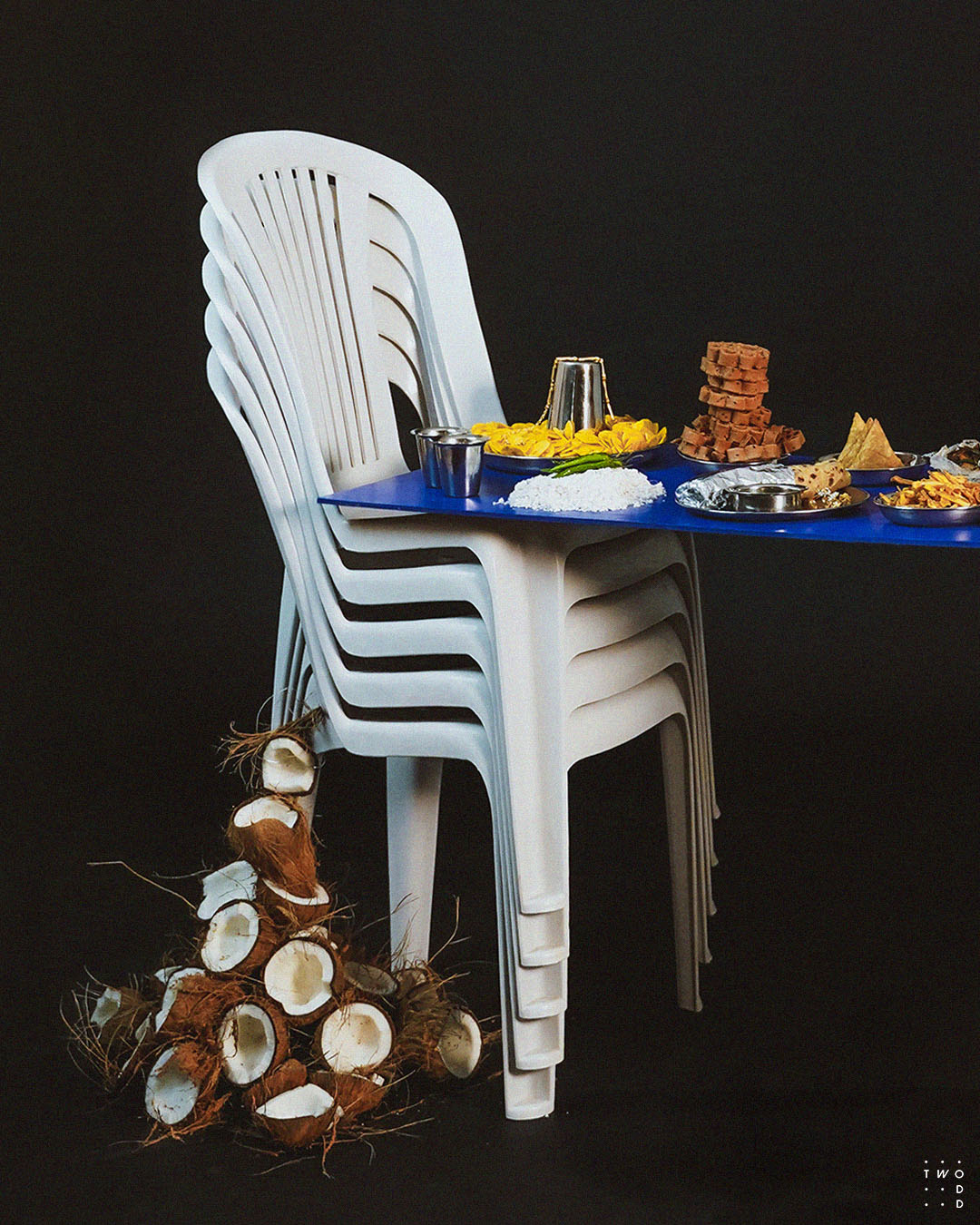 Elements of my roots that I used to reclaim my identity:
I reclaimed my identity by embracing the very things I once felt I had to hide — my roots, my story, and the cultures that shaped me. I’m proud of where I come from - Kerala, India, with its monsoon-soaked streets, coconut trees and deep rhythmic traditions. And I’m just as proud of where I grew up—the UAE, a place where the world meets itself in a thousand languages, where diversity isn't just an idea but a lived experience.
Together, they formed a unique blueprint for who I am: a third-culture South Asian, moving through the in-betweens with confidence. Through Stick No Bills, we created something that didn’t exist before in Dubai—a sound, a space, a feeling. Our nights aren’t just about music; but rather they carry the story of us. A blend of sounds and cultures that reflect our hybrid identities. It's a sonic rebellion against stereotypes. A refusal to be boxed in. What makes it special is the belonging. The way people walk into our events and immediately feel seen, whether they’re from Delhi, Dar es Salaam, Detroit, or Deira. That sense of unity is rooted in embracing who we are, fully and loudly. No code-switching. No compromise.
The power of reclaiming identity lies in the small radical act of being proud of all your layers. And in doing that, you don’t just free yourself—you make space for others to do the same.
How my body of work has helped in the reclamation process:
Since launching Stick No Bills in 2023, everything we’ve done has been rooted in intention: representing South Asia with pride, celebrating the beauty of third culture identities and carving out space where there wasn’t any before. We’ve gone from underground nights to international stages like Wireless Festival in 2024, and to homegrown staples like Quoz Arts Fest and Sole DXB. These weren’t just gigs, they were moments of cultural affirmation. Proof that our sound, our story, our style belongs.
Our collaborations with global brands like Jack Daniel’s and Power Horse show that the world is starting to tune in. But what we’re most proud of is the community we’re building—real people, real connection, real culture. We’ve thrown parties at some of Dubai’s most iconic spots—25h Hotel, Electric Pawn Shop, Iris, SOON—but the energy is always the same: familiar, inclusive, authentic.
We’ve now launched a marketplace concept to spotlight local talent—designers, food vendors, artists, and musicians—giving them the stage they deserve. Our recent collab with SWEY, a homegrown Dubai sunglasses brand, was more than a drop. It was a celebration of creative synergy, of what’s possible when we bet on our own. Everything we’ve done is about reclaiming space—not just physical venues, but emotional, cultural and creative space. We’re rewriting the narrative of what it means to be South Asian in the UAE. And we’re doing it together.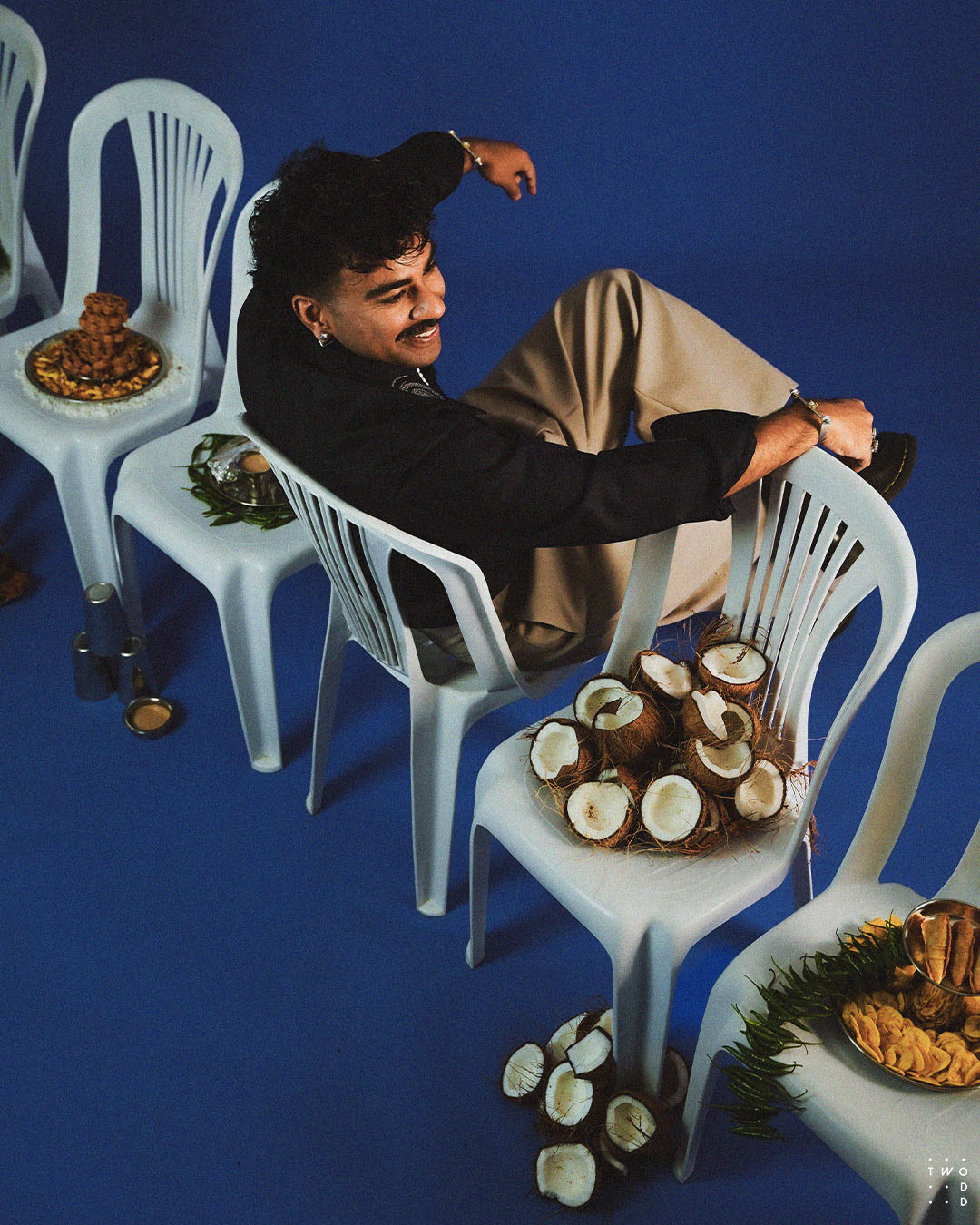
The meal from childhood that I would introduce to a stranger:
I cannot name just one! But to list a few:
Porotta and Kerala Beef Fry with coconut!
Shawarma.
Kappa Meen Curry.
Puttu Kadala.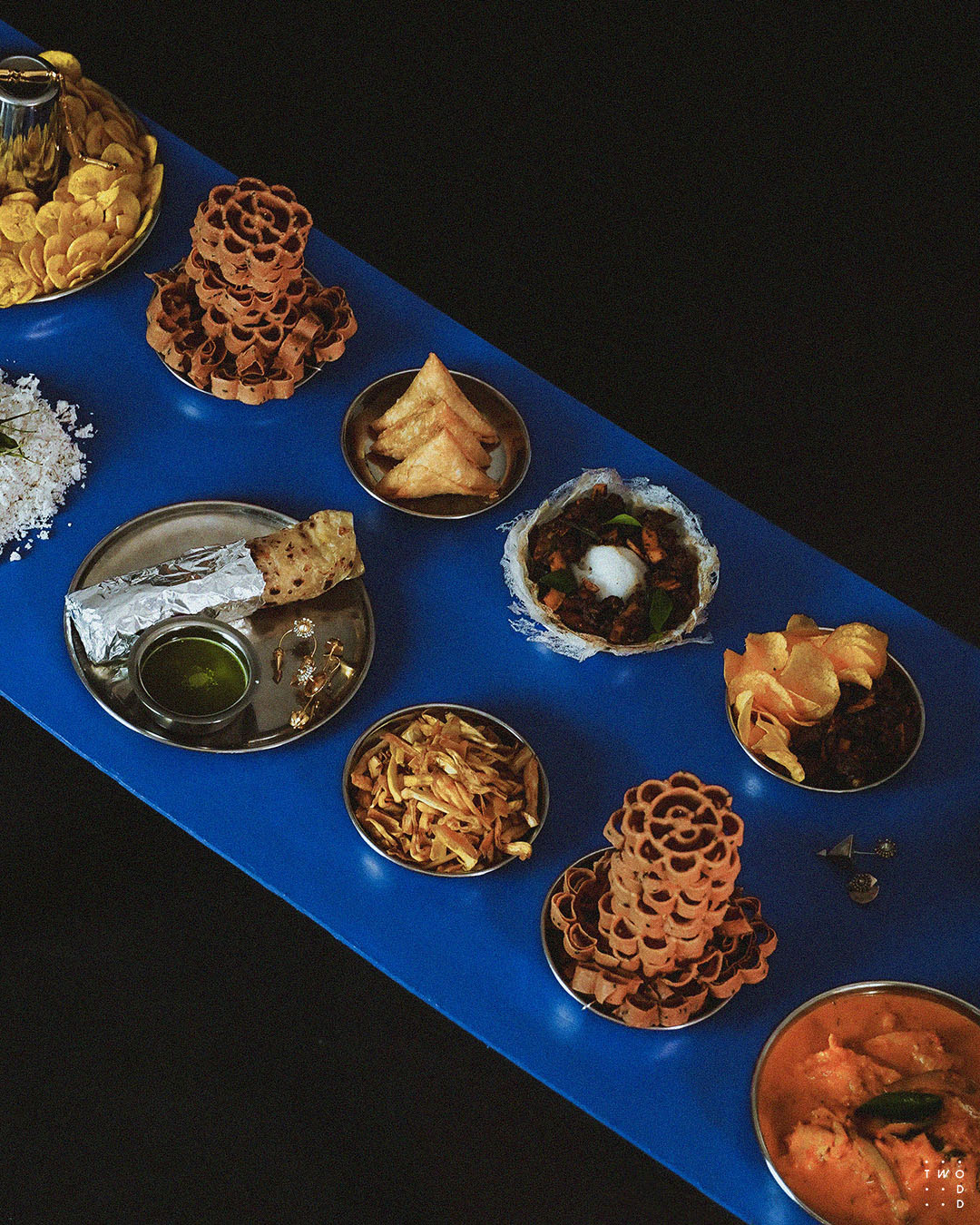 How and why food is important to building my community:
Food is one of the most powerful ways to bring people together regardless of their background, language or playlist preference. One plate of biryani or a bite of something home-cooked can spark a memory, start a conversation, or even make someone feel instantly at home. Being South Asian, sharing food is a language of love. It’s how we show up for each other, how we celebrate, how we grieve, how we welcome someone new - it’s part of every story. And in the melting pot that is the UAE, it becomes even more powerful. Food is comfort, culture, and community—all in one. And in our world, it’s just as important as the music.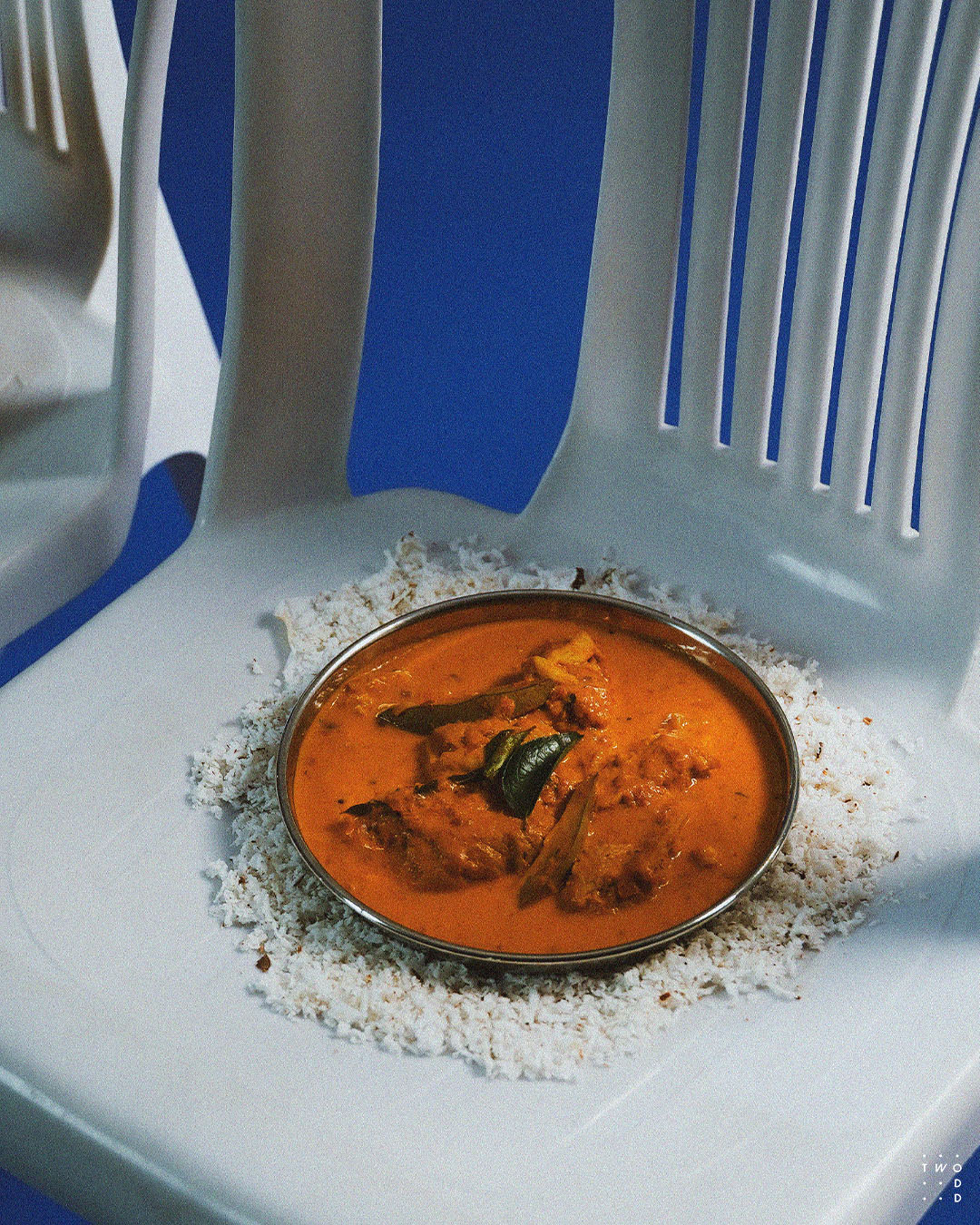
My favourite meal and why:
Mummy’s coconut milk fish curry and rice, served with papadam and achar, is my favourite comfort meal, followed closely by her chicken biryani. Both these dishes bring back so many memories. Biryani was always made on the weekends at home and it was a day when everyone helped in the kitchen. I was in-charge of papadam, 7Up and Ice Cream. My sister used to fry the onions. Pappa would be watching the news on TV!
I have always loved a good coconut milk fish curry. It could be the smell of the tempered spices or the excitement of guessing which fish mummy is going to cook this week, but the taste of home-cooked fish curry with some rice and papadam is unmatched.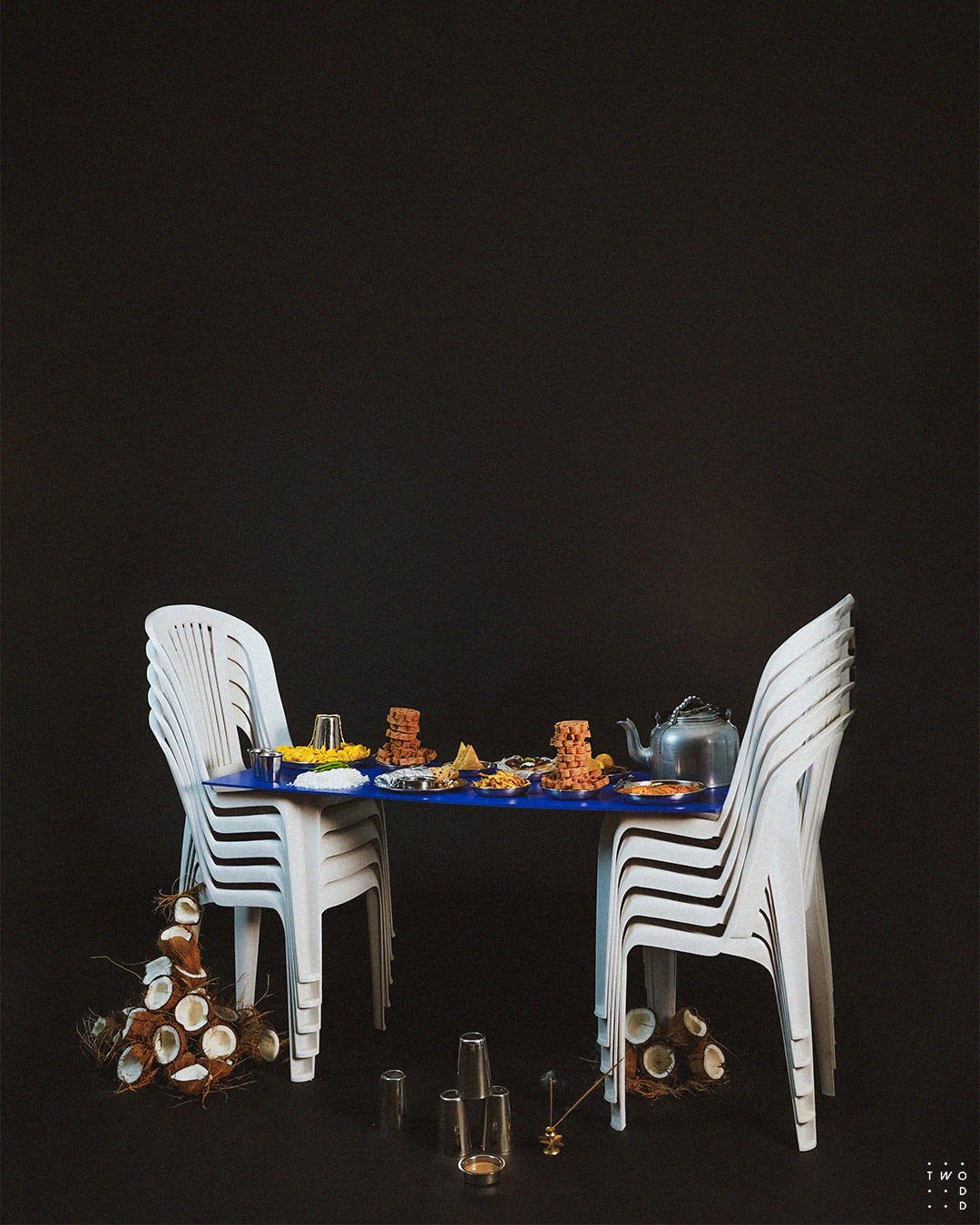
The table reflects Jeff’s identity as a third-culture South Asian, blending influences from his time in the UAE and Kerala. It features monobloc chairs, a distinct element of the UAE's old cafeteria culture and a motif from Jeff’s childhood. Familiar to developing cultures across the world, the monobloc chair has become synonymous with the resilience of the downtrodden and serves as a nostalgic icon to most developing communities. The unconventional table construction symbolises his defiance against being pigeonholed as a South Asian DJ expected to play “Bollywood Nights.” While he once embraced this stereotype, the 2020 lockdown sparked a creative breakthrough. His return to clubs meant playing music that fully represented his multifaceted cultural identity. The table showcases Kerala staples—coconut milk fish curry, porotta, beef fry, achappam, fresh coconuts, banana and jackfruit chips—as well as UAE favourites like Oman chips, shawarma, and karak chai. Displayed on silver bowls and plates, a staple of South Asian households, these dishes embody Jeff’s reclamation of his culture and history, sharing them with others who also navigate mixed identities and a sense of belonging.
Creative direction and table art : Akshita Garud, Two Odd
Muse : Jeftin James
Creative Producer and Words by : Malaika Naik
Styling by : Shivani Sudhir
Photography by : Fathima Mehreen
Studio : Dahoul Studio
Outfit Courtesy : AOMI Official